
Custom Packaging RFQ Checklist: What Should You Send for an Accurate Quote?
Learn what information to send for a custom packaging quote, including product size, quantity, materials, artwork, finishes, inserts, packing and delivery terms.
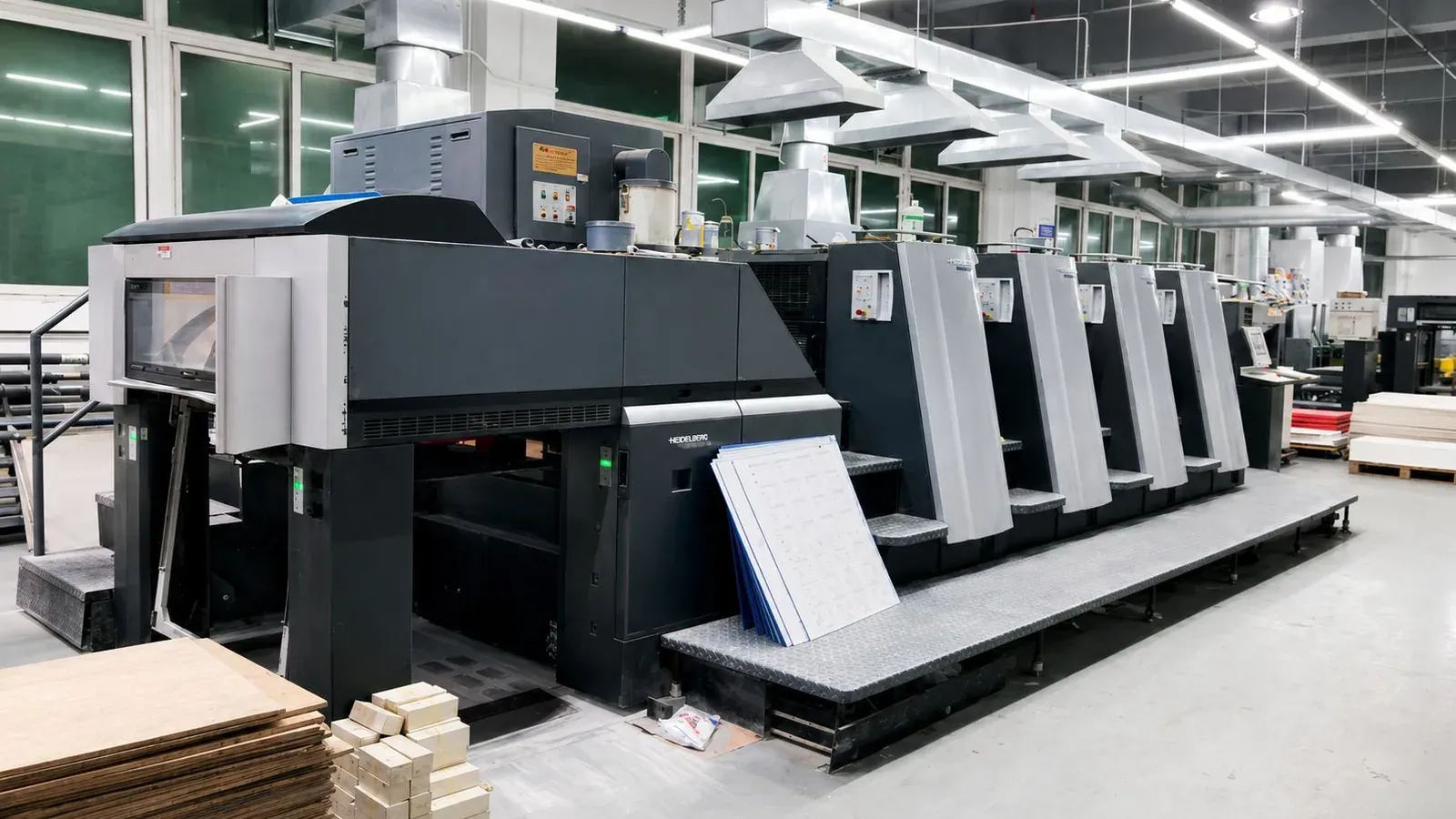
You send the same custom packaging inquiry to several suppliers. One replies with a short price, another asks ten questions, and a third gives a quotation that looks much higher or lower. Often, they are not pricing the same specification.
“Please quote 5,000 custom boxes with our logo.”
That is enough to start a conversation, but not enough for a reliable like-for-like quotation. A clear custom packaging RFQ reduces assumptions and makes quotations easier to compare.
What Is a Custom Packaging RFQ?
RFQ means Request for Quotation. For custom packaging, it is the information a buyer sends to a manufacturer so the project can be reviewed and priced. A useful RFQ covers product fit, structure, materials, printing, finishing, quantity, sampling, packing and delivery.
The 10 Details to Include
1. Describe the Product Going Inside
Start with the product, not the box. Provide the product category, dimensions, weight, shape, number of items packed together, photos, fragility and any existing primary packaging. A garment, a glass cosmetic bottle and an electronics set may need very different packaging even when their outside dimensions look similar.
2. Confirm the Finished Packaging Size
State dimensions as Length × Width × Height and clarify whether they are internal, external or approximate. If the final box size is unknown, send the actual product dimensions and explain how the product should sit inside the package. For paper bags, use Width × Gusset × Height and include the product weight.
3. Identify the Packaging Structure
Name the format when possible: straight or reverse tuck end carton, auto-lock bottom carton, corrugated mailer box, rigid box, foldable rigid box, paper shopping bag or hang tag. If you do not know the name, send a reference photo, existing package, dieline or a short opening-and-closing video.
4. State the Required Quantity
Include the quantity and, when useful, ask for breaks such as 1,000 / 3,000 / 5,000 pieces. Setup for printing, die-cutting and finishing is spread across the run, so quantity affects unit cost. For multiple artworks, show the quantity per design as well as the total.
5. Specify Material or Required Performance
If known, list the paper or board type, GSM, thickness, corrugated flute, rigid-board thickness, surface and recycled-content preference. Do not rely on GSM alone: papers of the same GSM can differ in thickness, stiffness, print surface and folding behavior.
If you are unsure, describe the performance needed: product weight, resistance to bending, print quality, kraft appearance, flat storage or premium presentation. This gives the supplier a better basis for recommending material than simply asking for “thick paper.”
6. Provide Artwork and Printing Requirements
Send editable artwork or a PDF preview when available. State CMYK or Pantone colors, one- or two-color printing, inside or outside printing, and any controlled brand colors. Screen colors are not a production color standard; paper color, ink coverage, printing method and finishing all influence the result.
7. List Every Finishing Process
Include matte or gloss lamination, soft-touch film, varnish, foil stamping, embossing, debossing, spot UV, windows, specialty paper, ribbon or rope. Describe the location and approximate size: “gold foil logo on the front panel” is more useful than “gold.”
8. Explain Insert and Protection Requirements
For an insert, provide product dimensions, weight, component count, orientation, protection concerns and presentation goals. Paperboard, corrugated board, molded pulp and foam all affect the internal space. Develop the product, insert and outer box as one system.
9. Describe the Packing Method
Confirm whether packaging is supplied flat or assembled, individually protected or bulk packed, and whether inner cartons, fixed carton quantities, SKU labels or shipping marks are required. Packing affects labor, storage volume and freight.
10. Confirm Destination and Quotation Basis
Provide the country, city or postal code, target date, preferred shipping method and Incoterm such as EXW, FOB, CIF or DDP. Do not compare one supplier’s EXW price with another supplier’s delivered price. Ask whether tooling, samples, packing and freight are included or separate.
What If the Specification Is Not Complete?
You do not need to solve every technical detail before contacting a supplier. Divide information into three groups:
- Confirmed: product dimensions, quantity, target market, logo and required date.
- Preferred: matte surface, kraft appearance, magnetic closure or foil logo.
- Open for recommendation: board grade, exact structure, insert design and packing method.
This is clearer than presenting every early idea as a final requirement.
Copy-and-Paste Packaging RFQ Template
Product:
Product dimensions (L × W × H):
Product weight:
Product photo or sample available: Yes / No
Packaging type or reference:
Finished packaging size:
Internal or external dimensions:
Quantity:
Number of artwork versions:
Preferred material:
Printing:
Finishing:
Insert or window:
Artwork status: Ready / In progress / Not started
Packing requirement:
Delivery destination:
Quotation term:
Target delivery date:
Main concern: Cost / Appearance / Protection / Storage / Shipping
How to Compare Quotations
Place specifications side by side before comparing unit prices.
| Item | Supplier A | Supplier B | Supplier C |
|---|---|---|---|
| Finished size | |||
| Material / thickness | |||
| Structure | |||
| Printing / finishing | |||
| Insert / window | |||
| Tooling / sample | |||
| Packing / quantity | |||
| Delivery term / freight |
If the rows do not align, the prices are not a true like-for-like comparison.
Frequently Asked Questions
Can I request a quote without a dieline?
Yes. Start with product dimensions, weight, photos, quantity, artwork status and a reference package. A dieline can be developed after structure and size are confirmed.
Do I need finished artwork?
Not always. An initial estimate may be possible with the number of colors, printing coverage and finishing. The quotation may need confirmation after final artwork review.
Why provide product dimensions and weight?
The product affects internal size, material, structure, insert and protection. Outside box dimensions alone may not show how the packaging must perform.
Why provide quantity per design?
Different artworks may require separate printing setup and handling, so the split can affect pricing.
Why are sample and tooling costs separate?
They are setup costs rather than recurring bulk unit costs. Confirm what is included before comparing totals.
Final Thoughts
An accurate custom packaging quote begins with a clear specification. The goal is not to make the RFQ complicated; it is to remove avoidable assumptions.
Product → Size → Structure → Material → Printing → Finishing → Insert → Packing → Delivery
Request a Custom Packaging Quote
Preparing a custom packaging project? Send Jeeli Packaging your product dimensions, product weight, packaging size or reference, quantity, artwork, material preference, printing, finishing and delivery destination.
If some details are not finalized, mark them as open for recommendation. Our team can review the structure, material and production requirements before sampling and bulk production.