
Packaging Knowledge
Flexo vs Digital vs Litho-Lamination: Choosing a Corrugated Print Method
Flexo, digital, litho-lamination and direct mini-flute offset compared for printed corrugated boxes: quality, plate costs, quantity bands and when each method wins.
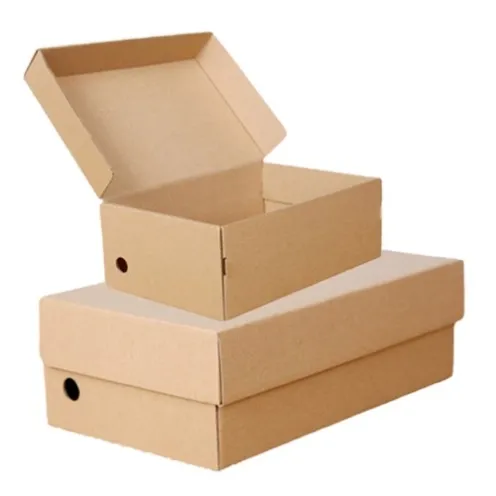
Corrugated board can be printed four completely different ways, and the choice moves the price more than the box size does. Flexo, digital, litho-lamination and direct offset on small flutes are not good/better/best — each one wins in a specific quantity and quality band. Here is how to pick.
Flexo: The Default for Shipping Volumes
Flexographic printing uses rubber or photopolymer plates and fast-drying ink, printed directly on the corrugated board — often in the same pass as the box is slit and creased. It is the method behind almost every shipping box you receive.
Strengths: lowest unit cost at volume, extremely fast, prints on any flute, handles simple line art and spot colours well.
Limits: registration and edge definition are coarser than paper printing; photographic images lose detail; each colour needs a plate (typically USD 30–80 per colour).
One to three spot colours of line art — a logo, a handling icon, a web address — is flexo territory. Photographic full-bleed artwork on flexo is possible but usually disappoints buyers who expected offset quality.
Digital: The Right Answer Below a Few Hundred Units
Digital corrugated printing (inkjet directly on board) needs no plates, so setup cost is near zero. It earns its place in three situations:
Short runs and samples: 1–500 boxes where plates would cost more than the print.
Many SKUs: fifty design variants in one run, printed version by version without changeover.
Prototyping: a realistic sales sample before committing to flexo plates.
The unit price per box is higher and speed is slower, so digital loses to flexo somewhere between a few hundred and a thousand units depending on coverage and colour count. Print quality sits between flexo and litho — better gradients than flexo, not quite offset crispness.
Can a corrugated box run through an offset press directly?
Yes — when the flute is small enough. Mini-flute boards such as E-flute (about 1.5 mm) and F-flute (about 0.8 mm) are thin, smooth and stable enough to feed through a sheet-fed offset press almost like solid paperboard. This is how printed corrugated mailer boxes get folding-carton-quality graphics on a board that still ships flat and protects like corrugated.
You get the full offset package: 150–175 lpi screens, CMYK plus spot colours, fine photographic detail, and varnish or spot UV on top. To a buyer in a store, the box reads as premium retail packaging rather than a shipping carton.
- E-flute, about 1.5 mm: the standard choice for offset-printed mailer and retail boxes
- F-flute, about 0.8 mm: thinner and stiffer; small boxes, inserts and display sleeves
- B-flute and heavier, 3 mm and up: too thick for offset grippers — use flexo or litho-lamination
The cost structure is the catch. You pay paperboard-style plates and makeready, so the quantity bands behave like folding cartons: below roughly 500–1,000 pieces digital is usually cheaper, and at shipping-box volumes flexo wins on unit cost. Direct offset on mini-flute wins in the middle — retail-quality graphics at quantities that justify plates.
Before approving, ask for a printed sample on the actual flute and look across the surface at a low angle. If the flute ribs telegraph through the print — a faint washboard effect — the liner is too light or the ink film too heavy for fine halftones, and the artwork should be adjusted before bulk production.
Litho-Lamination: Offset Quality on Corrugated
Litho-lamination prints your artwork on offset-quality paper (usually 157–210 gsm coated), then laminates that sheet onto the corrugated board before die-cutting. This is how you get photographic imagery, fine text, heavy solid colour and full CMYK plus Pantone on a shipping-strength box.
Strengths: genuinely premium print; matches folding-carton quality; supports spot UV, foil and full lamination on top.
Costs: two processes (offset print + lamination), so both setup and unit cost are highest; minimum quantities are usually higher than flexo.
Litho-laminated boxes are the normal choice for mailers that are the product experience — subscription boxes, gift-style e-commerce packaging, retail-ready packaging where the carton faces the customer on delivery.
Retail floor and counter pieces follow the same logic: cardboard display stands are typical litho-lamination jobs — offset-printed faces laminated to a corrugated body that survives the shop floor.
Quantity Breakpoints, Roughly
Exact crossover depends on size and coverage, but the usual bands hold:
1–300 units: digital, or flexo with one colour if the design allows.
300–2,000: flexo with 1–3 spot colours; litho if the artwork is photographic.
2,000+: flexo for simple art, litho-lamination for premium art — plate costs are fully absorbed.
Two Decisions Before the Method
Print method interacts with board choice. A fine-flute board (E or F) takes finer print than coarse B or C flute regardless of method — one reason small boxes photograph better. And if the artwork relies on light tones, remember the liner underneath: white top liner for colour accuracy, natural kraft for the earthy look. Both are explained in our guide to corrugated thickness and flute choice.
How to Brief It
Send the artwork, the quantity, and the honest answer to "is this box a shipping box or the product experience?" From there the method usually picks itself. The corrugated mailer boxes page shows the standard specifications each method sits on, and if the answer turns out to be "the print matters more than the flute", compare with our printed mailer boxes specifications before quoting both ways.