
Buying Guides
Custom Makeup & Skincare Packaging: A Complete Guide
Custom makeup and skincare packaging guide: carton vs rigid box by product type, inserts, colour matching and finishing.
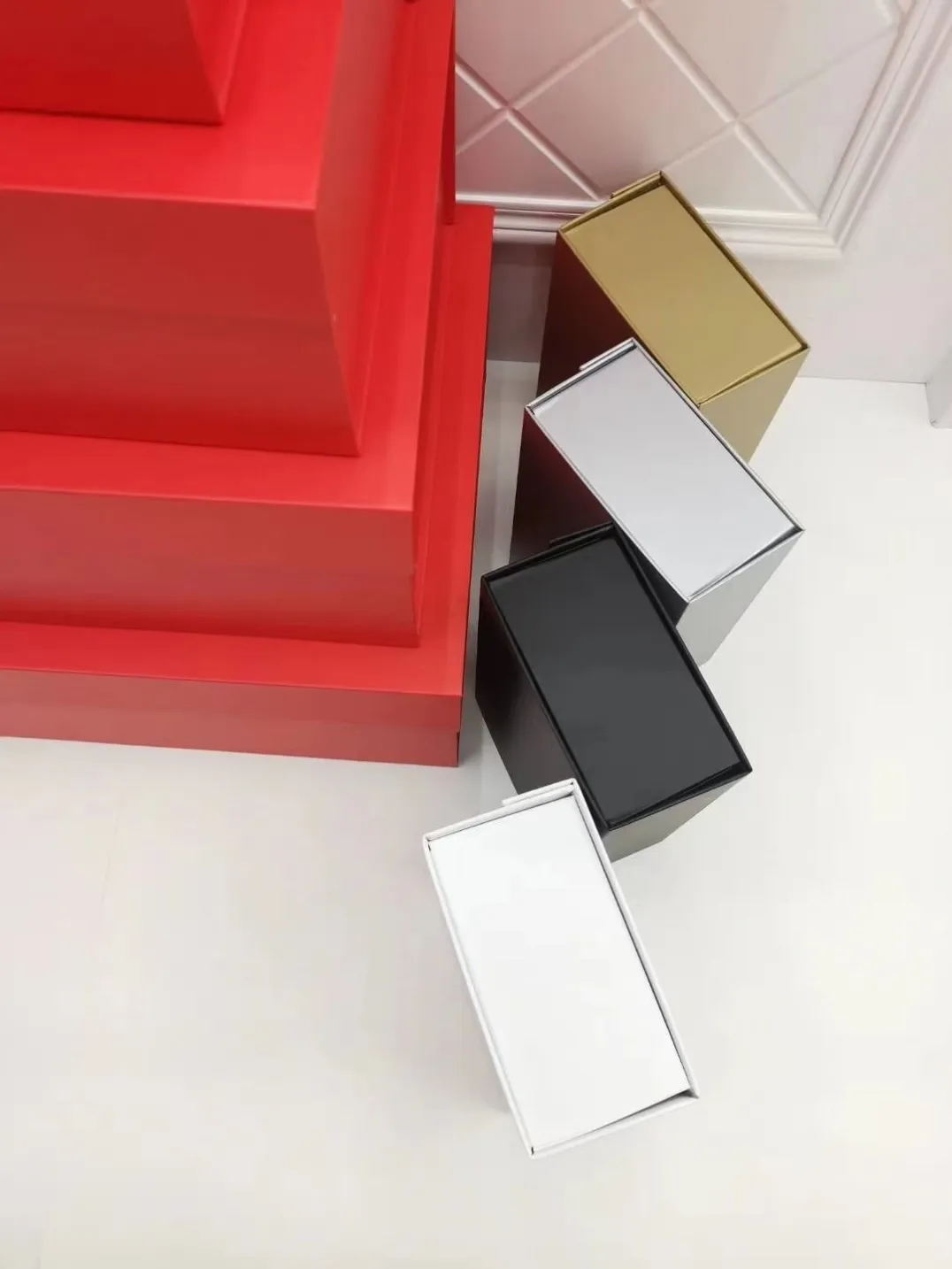
Beauty packaging carries more brand weight per square centimetre than almost any category — and it is specified under more constraints than buyers expect: colour consistency across SKUs, product weights from a lip gloss to a glass jar set, and unboxing moments that customers film. This guide maps the decisions in the order they should be made.
First Decision: Folding Carton or Rigid Box?
Almost every beauty range needs both, in different roles:
Folding cartons (paperboard, shipped flat) for primary retail packs: lipsticks, mascara, serums, cream jars. Unit cost is low, print quality is high, and they suit automation. Start from the cosmetic folding cartons specification.
Rigid boxes (constructed, 3D) for gift sets, prestige lines and e-commerce hero products. They cost several times a carton per unit but carry the premium moment. The structures are compared on our cosmetic rigid boxes page.
A common architecture: rigid box for the gift set, folding cartons inside for each component. The combination is what most "unboxing" videos are actually showing.
Match the Structure to the Product Type
Lipstick, lip gloss, mascara: auto-lock or reverse tuck cartons sized to the cap diameter; a slide or two-piece carton for prestige lines.
Foundations and serums (glass): weight matters — carton board grade and insert both carry the bottle; a drop test belongs in sampling.
Creams and jars: wider footprints; the carton spine height must read on shelf next to competitors.
Palettes: magnetic closures migrate down from rigid boxes into cartons at this size.
Gift sets: rigid lid-and-base or book-style with a fitted insert; plan it together with the bags — our luxury gift bags use the same colour spec.
Colour: The Beauty Industry's Non-Negotiable
Beauty buyers notice a shade drift before they notice anything else. The mechanics are in our guide to CMYK vs Pantone for retail packaging, but the beauty-specific rules are: brand colours specified as Pantone (not CMYK builds), drawdowns approved on the actual board stock, and retained standard samples so reorders match the launch batch. Soft-touch laminates shift perceived colour slightly — approve colour after the finish is chosen, not before.
Finishing: Where Beauty Budget Actually Goes
Matte lamination with a spot-UV logo is the workhorse of the category — quiet surface, glossy mark. Foil stamping (gold, rose gold, silver) reads instantly as beauty; debossing suits clean, "clinical" brands. Two cautions: heavy foil coverage on a fold line cracks, and soft-touch laminate shows fingerprints on dark stocks — sample both before bulk.
Inserts and Presentation
Inserts do double duty in beauty: holding components and staging the reveal. Paperboard cradles suit cartons; EVA, velvet-lined or moulded pulp inserts suit rigid boxes. The material trade-offs (protection, look, cost, recyclability) are compared in our insert materials guide.
What to Send for an Accurate Quote
Product dimensions and weight per SKU, and whether the pack touches the product directly.
Structure preference per SKU — or ask us to propose one per product type.
Colour spec (Pantone references), finish per panel, and whether reorders must match a launch sample.
Quantities per SKU — beauty ranges are quoted per size, exactly like multi-size gift programmes.
With those five lines answered, a beauty programme quotes in days — and the specification file it produces is what keeps batch two looking like batch one.