
Custom Packaging Inserts: Paperboard, Corrugated, EVA Foam or Molded Pulp?
Custom packaging inserts compared: paperboard, corrugated, EVA foam or molded pulp, by protection, cost and order volume.
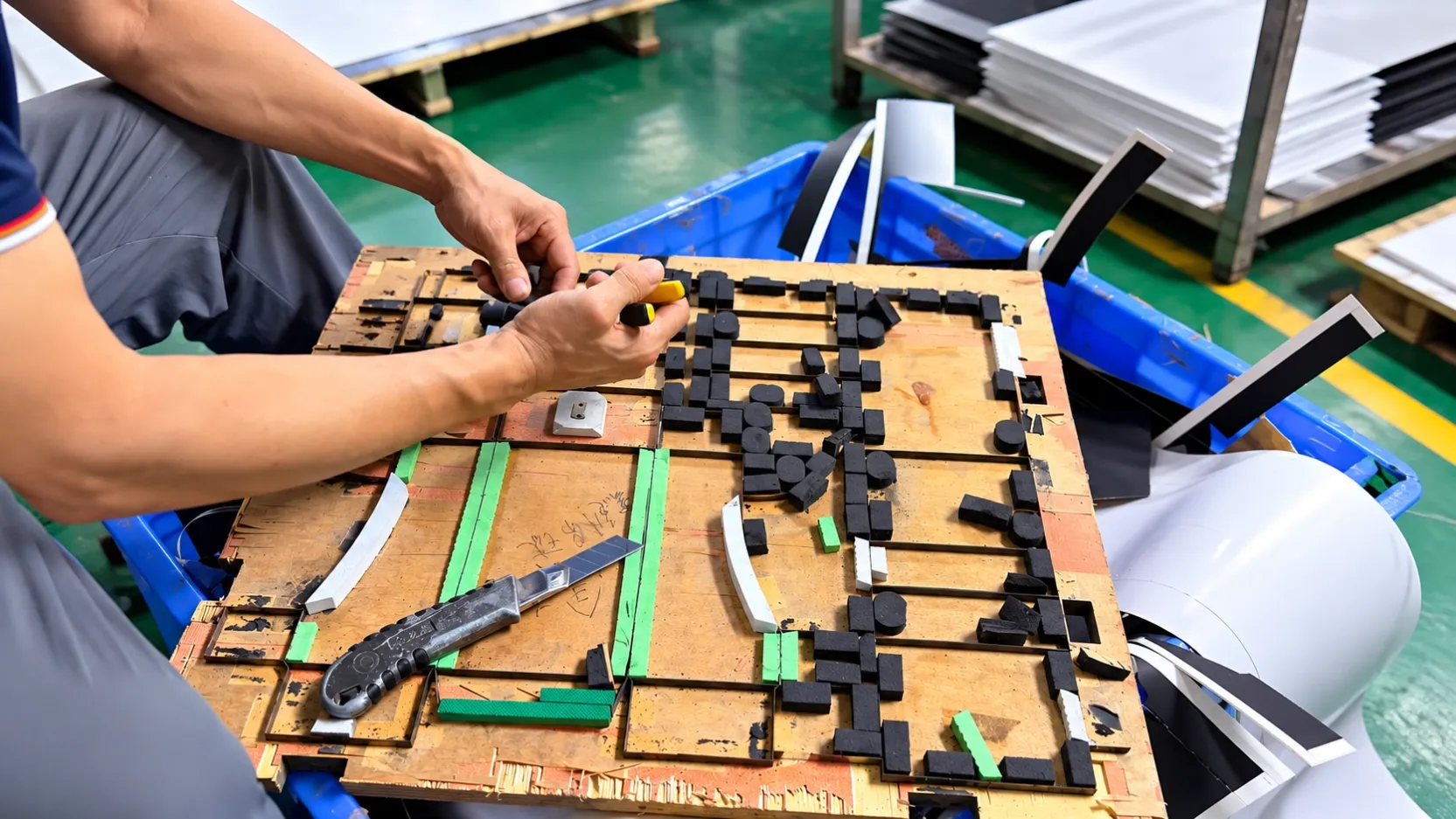
A custom box can look excellent and still fail if the product moves, scratches or arrives in the wrong position. The insert is the part that controls product movement, organizes accessories and shapes the unboxing experience. Choosing an insert only by appearance can create avoidable cost, assembly and shipping problems.
This guide compares four common choices—paperboard, corrugated board, EVA foam and molded pulp—so buyers can discuss protection, presentation, sustainability and budget with a packaging supplier.
What Does a Packaging Insert Need to Do?
Before selecting a material, define the insert's job. It may need to hold one product securely, separate several components, protect fragile edges, create space for accessories or present the product at a specific angle. A good insert should work with the outer box rather than compensate for a box that is too large.
Send the supplier the product dimensions, weight, fragile areas, accessory list, packing orientation and expected shipping method. A physical sample is especially useful when the product has curves, buttons, cables or uneven weight distribution.
Paperboard Inserts
Paperboard inserts are cut and creased from folding carton board. They can form platforms, partitions, cradles or folded supports and can be printed to match the outer box.
When Paperboard Works Well
- Lightweight cosmetics, skincare, small electronics and accessories
- Products that need clean presentation more than heavy cushioning
- Projects requiring printable surfaces and coordinated branding
- Flat-packed inserts that can reduce storage and freight volume
Points to Check
Paperboard strength depends on board grade, grain direction, fold design and the span between support points. Test whether the insert collapses when the product is pressed, whether tabs stay locked and whether operators can assemble it consistently.
Corrugated Inserts
Corrugated inserts add cushioning and compression strength through their fluted structure. They are often used inside mailer boxes, shipping cartons and heavier retail packs.
When Corrugated Works Well
- Heavier products or products shipped through parcel networks
- Projects where structural protection matters more than a luxury surface
- Dividers, corner supports and layered pads
- Packaging that should remain largely paper-based
Confirm flute type, board thickness and how cut edges will appear. A thicker material improves protection but also increases the finished box size and freight volume.
EVA Foam Inserts
EVA foam can be die cut into precise cavities and is commonly chosen for premium presentation, reusable cases and products that need a close fit. Density, thickness, color and surface treatment can be customized.
When EVA Foam Works Well
- Electronics, tools, instruments, gift sets and high-value components
- Products with multiple accessories that must remain organized
- Reusable packaging or presentation kits
- Projects requiring a precise cavity and strong visual contrast
Ask about odor, density, color tolerance, laminated surfaces and the fit around delicate finishes. Foam can protect well, but it is usually more expensive and may not support a paper-only sustainability claim.
Molded Pulp Inserts
Molded pulp is formed from fiber slurry in dedicated tooling. It can provide cushioning, nesting and a natural material appearance.
When Molded Pulp Works Well
- Consumer electronics, household products, bottles and molded components
- Programs seeking a fiber-based alternative to plastic trays
- Larger production volumes that can support tooling and development
- Products with stable dimensions and repeat orders
Molded pulp requires attention to tooling, wall thickness, draft angles, surface texture and drying variation. It is less suitable when a buyer needs a very small first order or an extremely smooth premium finish.
How to Compare Insert Options
Do not compare insert unit prices in isolation. Review the complete packed product, outer box dimensions, assembly time, tooling, storage, packing damage and freight volume. A lower-cost insert can become expensive if it slows packing or increases the shipping carton size.
Our custom packaging manufacturing process explains how structure, materials, sampling and production are confirmed before a bulk order.
Questions to Ask During Sampling
- Can the product be inserted and removed without damage?
- Does the product move when the closed box is shaken gently?
- Are fragile areas supported without excessive pressure?
- Can operators identify the correct packing orientation quickly?
- Does the insert remain stable after repeated opening?
- Will the packed box pass the required shipping test?
Approve the sample with the actual product whenever possible. A cavity based only on nominal dimensions may be too tight or too loose when product tolerances are considered.
Frequently Asked Questions
Which insert material is the most sustainable?
Paperboard, corrugated board and molded pulp are commonly considered when a fiber-based solution is required. The best choice still depends on protection, material sourcing, coating, local recycling systems and whether damage reduction offsets additional material.
Which insert is best for luxury packaging?
There is no single answer. EVA foam provides a precise premium presentation, while printed paperboard can create a refined paper-based experience. Product weight, brand position and sustainability requirements should guide the choice.
Do custom inserts require tooling?
Die-cut paperboard, corrugated and foam inserts normally require cutting tools. Molded pulp requires forming tools. Ask whether tooling is included, reusable and suitable for future repeat orders.
What information is needed for a quotation?
Send product dimensions and weight, photos or samples, quantity, outer box style, accessory layout, required protection, material preference, delivery destination and target date.
Request an Insert Recommendation
Explore our custom packaging products, then contact Jeeli Packaging with your product dimensions, weight, order quantity, destination and photos. We can review the application and suggest practical insert directions for sampling and quotation.