
Custom Paper Bag Handle Types: Rope, Ribbon & Twisted Paper Guide
Compare rope, ribbon & twisted paper handles for custom bags. Durability, cost & style comparison. Find the perfect handle for your packaging!
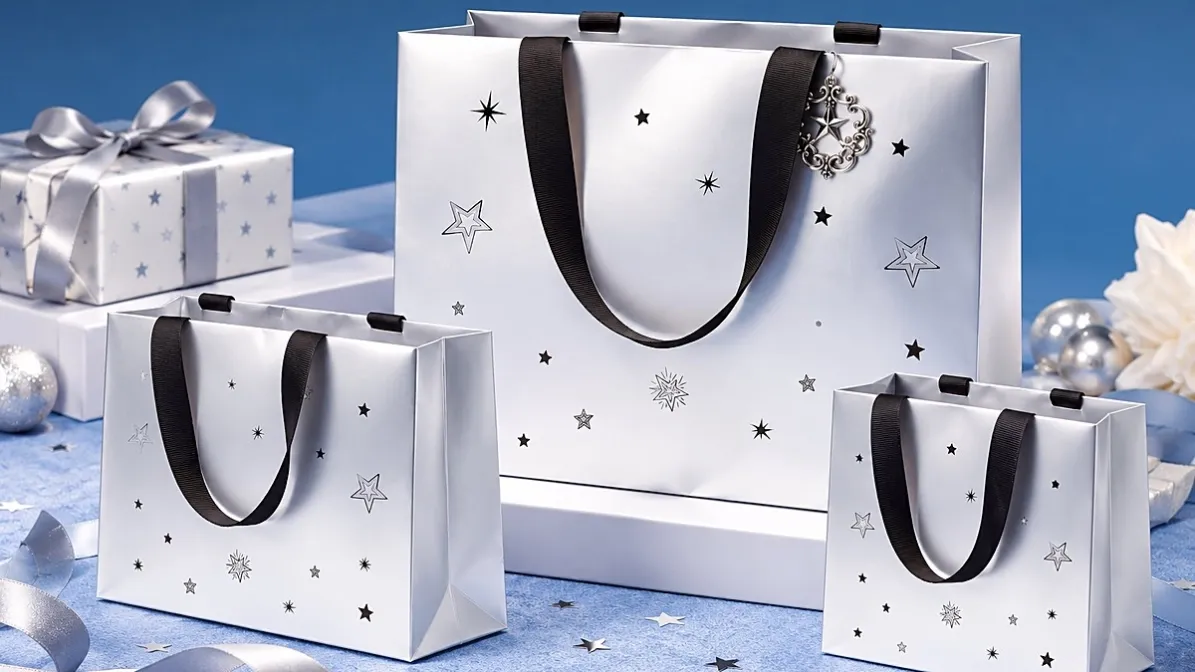
At the RFQ stage, a retail packaging buyer may know the bag size and artwork but still treat the handle as a decorative choice. That gap can produce quotations based on different attachments, samples that do not reflect the packed product, and late changes to reinforcement or top-panel artwork. This guide helps retail, fashion, cosmetics, gift and promotional teams compare rope, ribbon, twisted paper, flat paper and die-cut handles before sampling. It focuses on appearance, grip, attachment, packing and realistic load checks.
It is not a universal strength ranking and is not intended for selecting a handle without product dimensions and packed weight. You will leave with a handle shortlist, construction questions, RFQ fields and a sample test plan. Final suitability still requires a representative finished bag; this guide is not a quotation, carrying guarantee or production approval.
When a late handle decision creates avoidable rework
- Actor: A brand or procurement team compares custom paper bag quotations before the handle construction is fully specified.
- Trigger: The RFQ describes the handle only as “rope” or “ribbon,” and a sample is requested on that basis.
- Evidence gap: No agreed test records loop length, attachment, reinforcement, packed weight or the intended carrying grip.
- Rework: A sample may reveal that holes, reinforcement or artwork near the top need changing, requiring another construction and price comparison.
- Consequence: The buyer risks losing a like-for-like comparison and choosing by appearance without knowing how the finished bag carries the product.
- Decision: Shortlist one or two handle concepts, specify how each connects to the whole bag, and agree on a representative loaded-bag test before approval.
Start with the product and carrying journey
Before comparing materials, record what the bag must carry. Include the product or boxed product dimensions, packed weight, orientation, sharp or projecting areas, expected carrying time and whether customers will reuse the bag. A lightweight garment, a boxed cosmetic set and a large rigid gift box create different demands even if the bags share a similar appearance.
Also consider how the bag reaches the customer. Will staff load it at a retail counter? Will it be shipped flat to another warehouse? Must many empty bags fit beneath a counter? Does the handle need to remain neat in photography? These details can change the practical choice.
Jeeli Packaging’s custom paper bag product page outlines the wider size, paper, GSM, printing and finishing decisions that should be specified together with the handle.
Compare the main handle types
Cotton or textile rope handles
Rope handles can create a soft hand feel and a more substantial visual presentation. Buyers should specify material, color, diameter, finished length, attachment method and whether the ends are knotted or otherwise secured. The rope itself should not be treated as the bag’s load rating; the paper, holes, reinforcement and bottom construction remain part of the carrying system.
Rope may add bulk when bags are packed flat. Check whether handles are arranged inside, outside or protected during packing, and whether they can mark a delicate printed or laminated surface.
Ribbon handles
Ribbon can suit gift, fashion, beauty and event packaging where color, sheen and drape are important. Specify width, material, weave, color target and whether the ribbon should lie flat or form a particular loop.
Ribbon can twist, crease or fray depending on material and handling. A physical sample should show how the attachment looks inside the bag, how the ribbon sits after unpacking and whether the length is comfortable with the intended contents.
Twisted paper handles
Twisted paper handles are often considered for kraft and everyday retail bags. They provide a paper-based visual language and can be integrated with different bag constructions. Buyers should still confirm handle diameter, color, length, attachment area and any top reinforcement.
Do not assume that a paper handle creates a fully paper-only or universally recyclable package. Adhesives, inks, coatings, reinforcement and local collection rules also matter. Any environmental claim needs material-specific evidence and market-specific review.
Flat paper handles
Flat paper handles offer a broad, simple grip and can support an understated retail appearance. They may pack more regularly than bulky rope, but their comfort and behavior depend on width, fold construction, attachment and load.
Inspect the transition from handle to bag. The relevant question is not only whether the strip tears, but whether the attachment or surrounding paper deforms when the finished bag is lifted.
Die-cut handles
A die-cut handle is formed as an opening in the bag or a reinforced top section rather than as a separate loop. It can create a clean silhouette and reduce loose handle components, but it changes the way the bag is held and may reduce usable top area.
Check handle opening size, edge comfort, reinforcement, distance from the top edge and product loading. A large boxed item may be harder to insert or carry if the opening and top fold were designed only from a flat drawing.
Buyer comparison table
| Handle type | Visual and handling character | Construction questions | Sample focus |
|---|---|---|---|
| Rope | Soft, rounded grip; can feel substantial | Diameter, length, holes, knots or fixing, reinforcement | Surface marking, pull at attachment, packed bulk |
| Ribbon | Flat decorative loop with color and sheen options | Width, weave, edge finish, fixing, loop orientation | Twisting, fraying, creasing, color relationship |
| Twisted paper | Paper-based retail appearance | Twist diameter, attachment, reinforcement, moisture exposure | Grip, attachment movement, paper deformation |
| Flat paper | Broad and simple paper grip | Width, fold construction, adhesive area, top reinforcement | Edge comfort, delamination, load transfer |
| Die-cut | Integrated opening with no separate loop | Opening size, edge shape, reinforcement, top clearance | Hand comfort, tearing, product loading and access |
This table creates a shortlist; it does not replace a finished-bag test with the actual product or a representative load.
Attachment and reinforcement decide more than material alone
Two bags with the same rope or ribbon can behave differently because the handle is attached differently. Holes concentrate force in a small area. A top reinforcement card or reinforced fold may help distribute that force, while the bag bottom must support the contents from below.
For failure diagnosis and load-system questions, use the separate article Why Do Paper Bag Handles Tear or Come Loose?. The present guide owns the selection task: choosing which handle concept is worth sampling.
Ask the supplier to show the inside attachment in the sample. Check whether knots, tabs, adhesive areas or reinforcement remain neat, do not interfere with loading and match the intended customer experience.
Match handle color and finish to the complete bag
Handle color should be reviewed beside the actual paper, printing and surface finish. A ribbon or rope approved on a screen may look warmer, cooler, brighter or duller beside a physical printed bag. Metallic or glossy details can also change under different lighting.
Define whether the handle must closely match a printed color, coordinate with another package component, or provide deliberate contrast. Use physical references where color relationships are commercially important, and record the accepted relationship rather than promising exact identity across different materials.
Test the finished bag, not an isolated handle
A useful sample test should use the intended bag dimensions, paper, handle, attachment, reinforcement and bottom construction. Load it with the actual product or a justified representative load. Lift, carry, set down and repeat in conditions that reflect expected use.
Inspect handle comfort, stretch, attachment movement, paper deformation, top-edge distortion, bottom support and surface marking. If a result is unacceptable, change one controlled variable where possible and document what changed before testing again.
The broader custom paper bag buying guide covers size, paper, printing, finishing and load considerations beyond the handle choice.
RFQ checklist for paper bag handles
Prepare the following information before asking for a sample or quotation:
- Finished bag width, gusset and height
- Product or retail-box dimensions, packed weight and orientation
- Preferred handle types or the appearance and grip objective
- Handle color, diameter or width, and finished loop length if known
- Paper material, GSM and surface finish if established
- Printing and finishing near the handle area
- Preferred attachment appearance inside the bag
- Top and bottom reinforcement requirements to evaluate
- Packing method for empty bags and any counter-storage limit
- Sample test conditions and approval owner
Send this checklist through Jeeli Packaging’s contact page to request a handle-and-bag sample proposal or a comparable quotation. Ask the team to confirm the proposed construction and test conditions for your packed product.
Frequently asked questions
Which paper bag handle type is strongest?
There is no universal ranking. Finished performance depends on handle material, dimensions, attachment, reinforcement, bag paper, structure, product weight and testing conditions.
Are rope handles always more premium than paper handles?
No. “Premium” depends on the brand, paper, printing, finishing, proportions and customer context. A well-resolved paper handle can suit one program better than rope.
Can ribbon handles carry boxed products?
Suitability depends on ribbon construction, attachment, reinforcement, bag dimensions and packed weight. Test a representative finished bag rather than judging ribbon by appearance alone.
Do die-cut handles need reinforcement?
The need depends on paper, opening shape, distance from edges, bag dimensions and intended load. The cut area should be evaluated on a representative sample.
What handle details should appear on a quotation?
At minimum, confirm handle type, material, color, size or width, finished length, attachment method and relevant reinforcement assumptions so supplier quotations can be compared on the same basis.
Turn the shortlist into a testable sample brief
The best paper bag handle supports the intended appearance, grip, packing workflow and complete carrying system. Select one or two concepts to sample, define how the finished bag will be loaded, and send the RFQ details through Jeeli Packaging’s contact page. Ask for a sample plan that tests the bag with your actual product.