
Offset Printing vs Digital Printing for Custom Packaging: Which Fits Your Order?
Compare offset and digital printing for custom packaging by order pattern, artwork versions, color control, finishing compatibility and proofing needs.
This guide is for brand, packaging, and procurement teams choosing a printing route for a defined custom packaging order. The decision should be based on quantity per artwork, version count, repeat pattern, substrate, color targets, finishing, and approval needs—not on a claim that one method is always cheaper or better.
By the end, you should have one process candidate to sample, a list of unresolved compatibility questions, and a proof-to-production approval path. These are planning outputs, not a quotation, color guarantee, compatibility confirmation, or production approval.
Start with the order, not the printing label
Offset printing transfers ink through a plate-based process. Digital printing sends production-ready artwork to a compatible press without the same plate setup. That difference shapes the buying discussion, but it does not decide the result by itself.
List the number of packaging designs, quantity per design, expected repeat pattern, finished size, substrate, coverage, color requirements, and finishes. A single design ordered in volume is different from many regional versions ordered in small batches. A launch sample, a promotional run, and a stable repeat program should not be evaluated as identical orders.
The practical question is which route controls the required result across the entire order. Review the custom packaging manufacturing process to see how printing connects with material selection, finishing, sampling, production, and packing.
How offset printing fits a packaging program
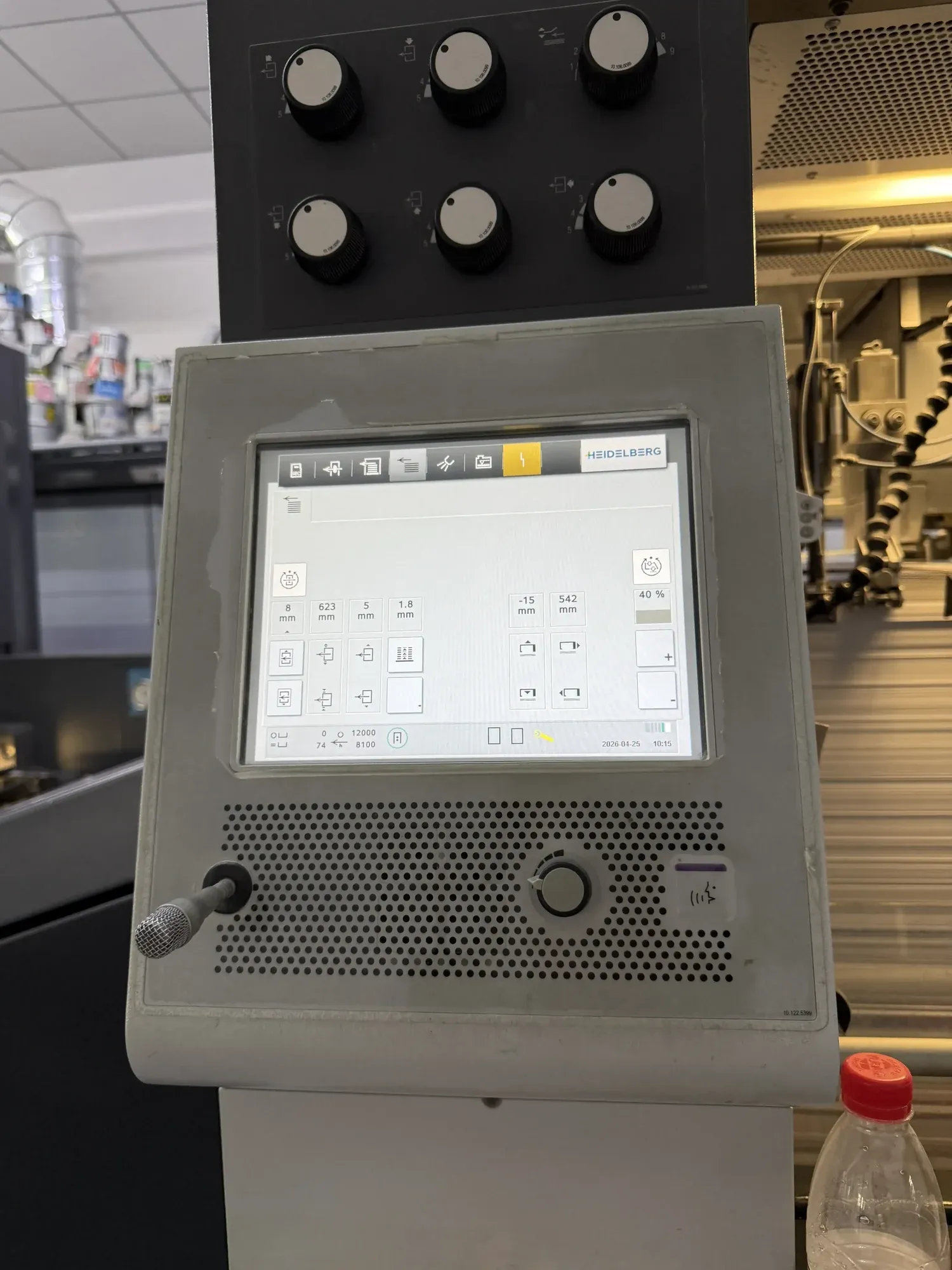
Offset printing is commonly considered when artwork is stable, color requirements are defined, and the order can support plate and press setup. It allows a controlled production specification around approved plates, ink targets, paper, and press conditions. This may suit repeat programs where color relationships across a larger run matter.
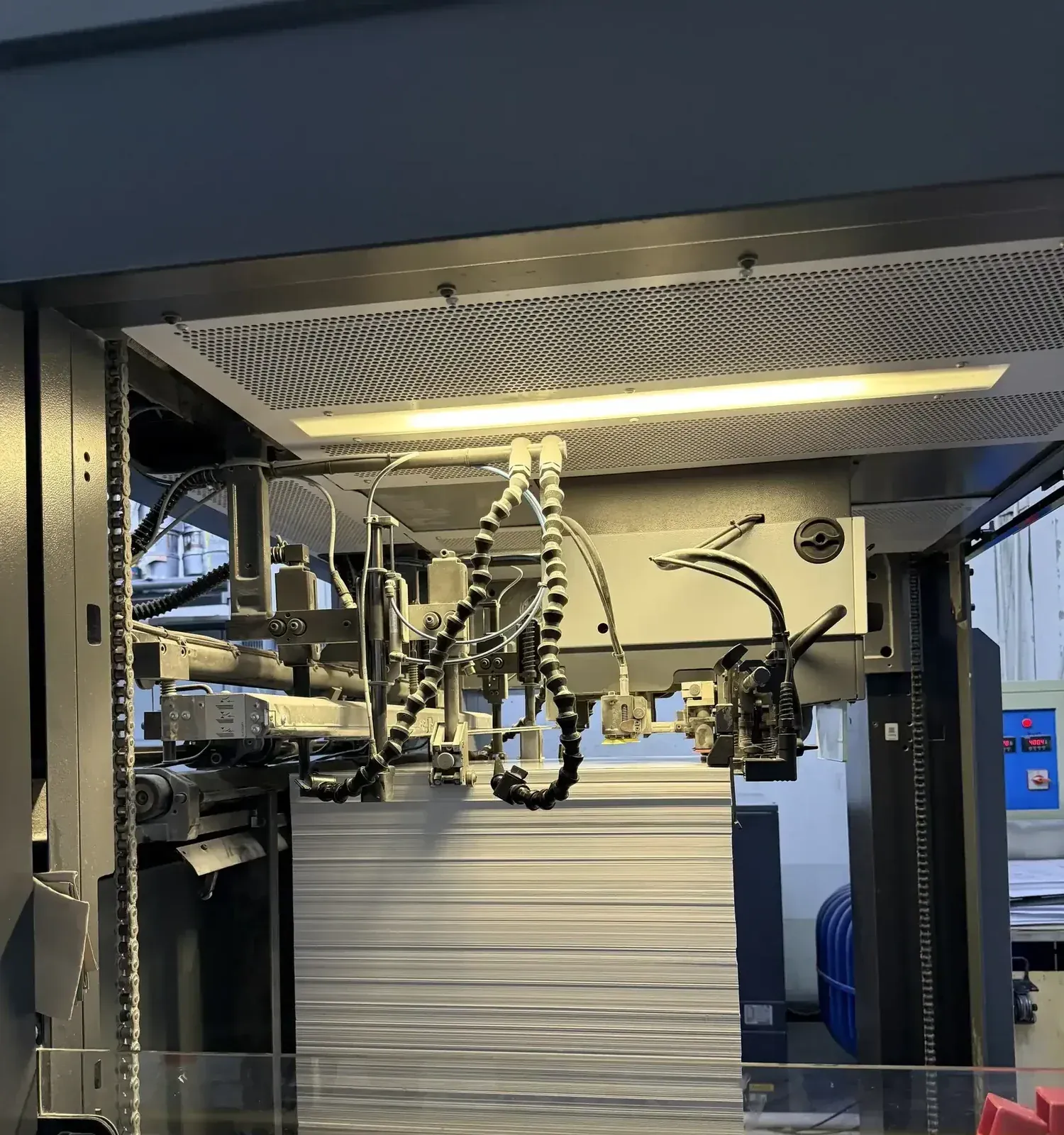
The trade-off is less flexibility after setup. A language change, barcode revision, or campaign date may require a new artwork version and production review. If a project has many low-volume variants, compare the operational cost of managing those versions rather than only the quoted unit price.
How digital printing fits a packaging program
Digital printing can suit shorter runs, multiple artwork versions, or faster iteration during development, subject to press, substrate, size, and finishing limits. Files can be changed without conventional plate preparation, making regional, seasonal, or test-market designs easier to separate.
That flexibility does not mean every digital press can print every packaging board or match every offset result. Sheet size, board thickness, surface treatment, white ink capability, color range, finishing compatibility, and post-print conversion must be confirmed. Tie any digital offer to a defined press, substrate, and representative sample.
If digital output is being used only as a prototype, ask whether the bulk order will use the same process. A digital sample can check layout and structure without automatically becoming the color standard for later offset production.
Offset vs digital printing: buyer comparison
| Decision factor | Offset printing | Digital printing |
|---|---|---|
| Setup | Artwork-specific plates and press setup | Production-ready files and compatible press setup |
| Version changes | Each version may affect plates and setup | Multiple files may be easier to organize |
| Order pattern | Often considered for stable artwork and repeatable volume | Often considered for shorter, varied, or test-market orders |
| Color approval | Define ink targets, paper, proof route, and press approval | Define press profile, paper, reference sample, and variation limits |
| Finishing | Confirm lamination, foil, UV, embossing, and cutting compatibility | Confirm the digitally printed surface works with the full finishing sequence |
Use the comparison to prepare questions, not to select a method from a single line. The quotation should identify the proposed process and what the approval sample represents.
Compare color requirements and artwork complexity
If artwork uses critical brand colors, large solids, fine gradients, metallic effects, or very dark coverage, identify which elements are commercially important. Supply agreed color references and ask how the proposed method will be checked.
Identical file values may not look identical across processes. Ink systems, paper color, coating, surface texture, and press conditions all influence appearance. If offset and digital versions will appear together, request a side-by-side review and define the acceptable visual relationship.
For causes and approval limits behind color differences, see why packaging colors differ from approved artwork.
Check finishing and converting before approving print
Printing is only one stage. Lamination, foil stamping, spot UV, embossing, die cutting, folding, gluing, and box assembly can change appearance or impose process limits. A printed sheet that looks acceptable before lamination may appear different afterward.
Ask whether ink adhesion supports lamination, whether foil or spot UV can register to the artwork, whether folds cross heavy ink coverage, and whether the board can pass through the intended die-cutting and gluing route. Browse Jeeli Packaging’s custom packaging product range to define the structure the printed sheet must become.
What to inspect on proofs and samples
- Confirm the proof uses the intended printing method, substrate, and surface treatment.
- Compare critical colors under consistent lighting against the agreed reference.
- Inspect small text, gradients, fine lines, solids, and image detail.
- Check registration between print colors and later finishes.
- Fold or assemble the sample to review cracking, scuffing, and artwork placement.
- State whether the sample approves layout, color, structure, or production.
- Record approved files, revision numbers, references, and accepted limits.
For wider inspection responsibilities, refer to custom packaging quality control and printing checks.
Information to prepare for a printing-method review
Prepare the packaging structure, dimensions, dieline, substrate preference, quantity per version, version count, repeat-order expectation, print coverage, color references, finishing list, sample objective, and delivery destination. State any variable data and any designs that must appear together in one retail set.
Ask the supplier to explain the proposed method and what changes if quantities, versions, materials, or finishes change. This creates a like-for-like comparison without relying on generic assumptions.
Frequently asked questions
Is digital printing always cheaper for small packaging orders?
No. Cost depends on size, material, coverage, quantity, versions, finishing, conversion, and packing. Compare quotations built from the same complete specification.
Does offset printing always produce better color?
Not automatically. Color performance depends on artwork, ink, paper, press control, surface treatment, and approval standards. Review representative samples from the proposed method.
Can a digital sample approve an offset production run?
It can help approve layout or structure, but it should not automatically become the offset color standard. Define what the digital sample proves and what separate offset approval is required.
Which process is better for multiple language versions?
Digital may offer more version flexibility, while offset can still fit larger stable programs. Compare quantity per version, change frequency, file control, and production setup.
Can both methods use foil stamping or lamination?
Compatibility depends on the printed surface, ink, coating, material, finishing process, and sequence. Confirm the complete route with a representative finished sample.
Choose the process through a controlled sample plan
The right method fits the complete order: artwork, variants, substrate, color expectations, finishing, repeat pattern, and approval needs. Send Jeeli Packaging the finished dimensions, quantity by version, substrate preference, artwork, and finishing requirements for a project-specific printing review. A discussion does not confirm price, timing, color, or production approval until the specification and sample route are agreed.