
Oct 12, 2026Buying Guides
Premium Hang Tags: What Actually Makes Them Look and Feel High-End?
Compare paper weight, texture, printing, foil, embossing, strings and production details when sourcing premium custom hang tags.
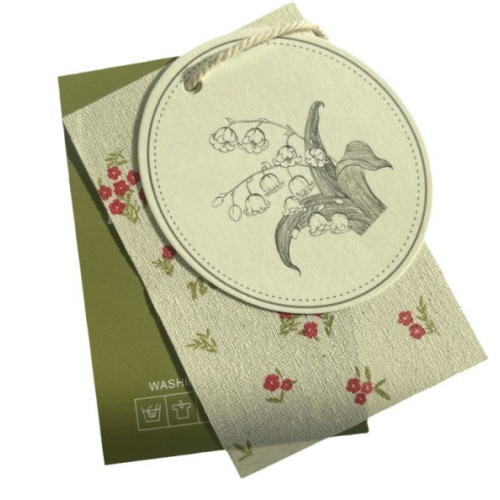
A premium hang tag is not defined by one expensive finish.
The final result comes from how the paper, printing, finishing, size, artwork and accessories work together.
Two tags can use the same logo and similar artwork but feel completely different once they are produced. One may feel balanced and refined, while the other feels unnecessarily heavy, crowded or inconsistent with the garment.
For buyers sourcing premium hang tags, the better question is not simply “Which finish looks more expensive?”
It is:
Which combination of material and finishing works best for this design and product?
1. Start With the Paper — But Don’t Choose by GSM Alone
Paper is one of the first things customers notice when they handle a hang tag.
But GSM alone does not tell you how premium a tag will feel.
Paper density, fibre composition, stiffness, surface texture and construction can all affect the result.
Coated Paper and Cardstock
Coated paper provides a relatively smooth printing surface and can work well when the artwork requires:
- Detailed graphics
- CMYK printing
- Consistent solid colors
- Fine text
- Photography or illustrations
Different weights and constructions are available depending on the required tag size, stiffness and finishing.
Uncoated and Specialty Paper
Uncoated and textured papers are often considered when the paper itself is intended to become part of the design.
Options can include:
- Textured specialty paper
- Cotton-blend paper
- Natural kraft paper
- Colored paper
- Dyed-through paper
- Recycled-content paper, when required
A simple logo on a carefully selected specialty paper can sometimes create more visual impact than adding several decorative processes.
If you are developing a restrained fashion identity, our guide to minimalist clothing hang tags explains why paper, spacing and finishing become especially important when the artwork is simple.
What About 300gsm, 400gsm or 600gsm?
There is no single paper weight that automatically makes a hang tag “premium.”
A lighter tag may work well for a delicate garment, while a thicker board may suit denim, outerwear or a design that requires a more substantial feel.
Instead of selecting paper by GSM alone, consider:
- Finished tag size
- Garment type
- Required stiffness
- Paper surface
- Printing process
- Embossing or debossing
- Hole and eyelet requirements
- String or cord
Physical material samples can be useful when the tactile feel of the tag is important.
2. Choose Finishing That Works With the Material
Premium finishing can add detail and contrast, but more finishing does not automatically create a better hang tag.
The paper and artwork should be considered first.
Foil Stamping
Foil stamping can add metallic or colored detail without covering the entire tag.
Common applications include:
- Logos
- Brand names
- Borders
- Small graphic elements
The result can vary depending on the paper surface, foil, artwork detail and stamping conditions.
Very fine artwork, heavily textured paper or large solid foil areas may require testing before bulk production.
Embossing and Debossing
Embossing raises part of the design above the paper surface, while debossing creates a recessed impression.
Both can add tactile detail without requiring additional printed graphics.
The achievable effect depends on the paper, artwork, tag construction and desired depth.
If a strong recessed effect is important to your design, see our guide to deep debossed hang tags for the factors worth checking before production.
Spot UV
Spot UV can create contrast between selected glossy areas and the surrounding surface.
It can work particularly well when the design uses subtle tone-on-tone details, but the suitability depends on the paper and surface treatment.
Matte and Soft-Touch Finishes
Matte and soft-touch finishes can change the appearance and tactile feel of a printed tag.
Before selecting them, consider:
- Paper type
- Printed colors
- Required tactile effect
- Foil or other finishing applied afterward
- Handling and packing requirements
Finishes should be tested as a combination rather than selected independently.
3. Artwork Details Matter More Than Buyers Expect
A finish that looks good on screen may behave differently at actual tag size.
Before approving artwork, check:
- Small text
- Thin lines
- Logo size
- Distance from the cut edge
- Hole position
- QR-code size
- Foil areas
- Embossed or debossed details
- Front-to-back alignment
This is particularly important when several processes need to register with one another.
Before sending artwork for sampling, our hang tag artwork checklist covers the details worth reviewing before production.
4. Don’t Treat Strings and Eyelets as an Afterthought
The attachment is part of the finished hang tag.
A carefully designed paper tag paired with an unsuitable string can change the overall presentation.
Depending on the brand direction, options may include:
- Cotton cord
- Polyester string
- Waxed cord
- Ribbon
- Metal eyelets
- Plastic seals
- Metal accessories
When selecting an attachment, consider the garment as well as the tag.
A heavy cord may feel appropriate with denim or outerwear but oversized on a lightweight garment.
Check the Hole Position Too
Hole position affects both appearance and function.
Before production, confirm:
- Hole diameter
- Distance from the edge
- Relationship between the hole and artwork
- Eyelet size, if used
- String thickness
- Finished string length
These details are easier to correct before sampling than after bulk production begins.
5. A Premium Hang Tag Still Needs to Be Practical
It is easy to focus on visual details and forget how the tag will actually be used.
Before finalizing the specification, ask:
- How will the tag attach to the garment?
- Does it need to carry a barcode or QR code?
- Is there enough space for required information?
- Will several tags be grouped together?
- Does the tag need to fit inside other packaging?
- Could a very thick or heavy tag be inconvenient for the garment?
Premium packaging should support the product rather than compete with it.
6. What Should You Check on the Physical Sample?
A sample is useful for more than checking whether the logo looks correct.
Review the complete tag:
- Finished dimensions
- Paper feel and stiffness
- Printed color
- Artwork position
- Foil coverage and edges
- Emboss or deboss effect
- Hole position
- Eyelet installation
- String material and length
- Front and back alignment
- Overall fit with the garment
If the sample differs from what you expected, identify whether the issue comes from the artwork, material, finishing or construction before approving bulk production.
Premium Does Not Mean Adding Every Available Finish
Foil, embossing, specialty paper, eyelets and thick board can all be useful.
But using all of them on the same hang tag does not automatically make the result more premium.
Sometimes a textured paper with a simple printed logo is enough.
In another project, a smooth dark paper with one small foil detail may work better.
The strongest specification is usually the one where the material, artwork and finishing support the same design direction.
Planning Premium Custom Hang Tags?
- Finished tag size
- Quantity
- Artwork
- Paper preference
- Printing colors
- Required finishing
- Hole and eyelet requirements
- String or cord preference
If you are unsure which material or finishing combination is suitable, we can review the specification before sampling and bulk production.