
Custom Packaging MOQ Explained: How to Plan a Small First Order
What controls custom packaging MOQ, and how to plan a small first order with standard structures, stock materials and simpler finishing.
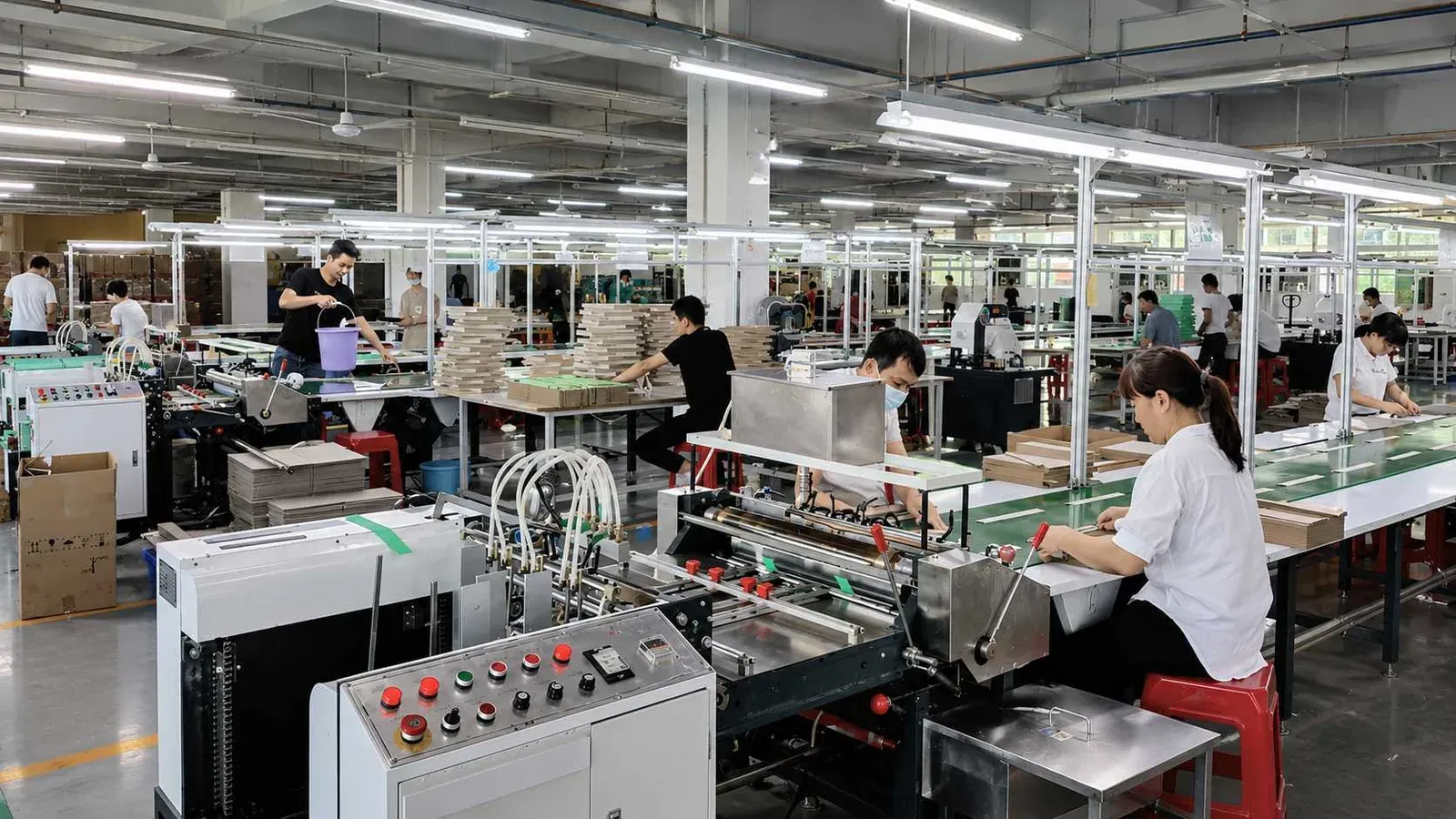
MOQ means minimum order quantity: the smallest production quantity a supplier is prepared to manufacture under a specific specification. For custom packaging, MOQ is not arbitrary. It is influenced by material purchasing, printing setup, tooling, finishing, structure, artwork versions and production efficiency.
Why Custom Packaging Has an MOQ
Before one finished box or bag is produced, the factory may need to prepare a dieline, printing plates, inks, die-cutting tools, foil blocks, embossing plates, machine settings and quality standards. These setup costs exist whether the order is 100 pieces or 10,000 pieces. At very low quantities, setup cost is divided across fewer units, making the unit price much higher.
What Determines the MOQ?
Packaging Type
Digital printed sleeves, labels and simple cartons may support smaller runs than fully customized rigid boxes or paper bags with several finishing processes.
Material Availability
Stock board is easier to purchase in small quantities. Custom-dyed paper, unusual thicknesses, special textures and imported materials may require a larger material order.
Printing Method
Digital printing is often practical for prototypes and short runs. Offset printing has stronger setup economics at higher volumes. The best method depends on size, coverage, color expectations and quantity.
Finishing and Tooling
Foil stamping, embossing, spot UV, custom windows and special inserts may require dedicated tooling and separate production steps. MOQ and unit cost can rise when several processes are combined.
Number of Designs
An order of 3,000 pieces in one design is different from 3,000 pieces divided across six designs. Each artwork can require separate setup, color control and handling.
Assembly Requirements
Rigid boxes, ribbons, magnets, complex inserts and hand assembly add labor. Very small runs may be inefficient to schedule on a production line.
Low MOQ Does Not Always Mean Low Total Cost
A low MOQ can reduce inventory risk, but the unit price may be high. A larger run can lower unit price but increase cash tied up in stock, storage space and the risk of obsolete artwork. Evaluate total order value, unit cost, expected monthly usage, storage capacity, design-change risk, freight per unit and reorder lead time.
How to Make a Small First Order Practical
Use a Standard Structure
A familiar folding carton, mailer box or paper bag format normally requires less development than an unusual opening mechanism.
Choose Stock Materials
Ask which boards, kraft papers and colors are readily available. An available material can be more practical than ordering a specialty sheet for a small run.
Limit Finishing Processes
Use printing and one focal finish rather than combining foil, embossing, spot UV and specialty film in the first order.
Reduce Artwork Versions
If several products share the same dimensions, consider common packaging with labels, sleeves or variable stickers.
Separate Testing from Scaling
Use prototypes or a small validation batch to test fit and market response, then move to a more efficient production quantity after the design is stable.
Consider a Semi-Custom Solution
Stock bags or boxes with custom stickers, sleeves, cards or labels can create branded presentation at lower volume. This differs from fully custom manufacturing but may suit launches and early testing.
Questions to Ask When Comparing MOQs
- What specification is the MOQ based on?
- Is the quantity per size or per design?
- Which setup and tooling charges are separate?
- What quantity breaks are available?
- Can stock material reduce the MOQ?
- Is digital printing available for a trial run?
- Can several designs share the same structure or tooling?
- Will the small order use the same process as the later bulk order?
- How will the order be packed and shipped?
Example: One Quantity, Three Projects
Suppose three buyers each request 1,000 boxes. Project A uses one carton size, one artwork and standard CMYK printing. Project B uses the same size but five artworks. Project C uses a rigid box with magnets, foil and a custom insert. The piece count is the same, but the setup, material, tooling and labor are not. MOQ and price must be tied to the full specification.
Frequently Asked Questions
Can I order below the stated MOQ?
Sometimes, but the supplier may propose digital printing, stock materials, simplified finishing or a higher unit price. Ask what specification would make the order viable.
Is MOQ per color or per design?
It may be per design, size, material or production batch. Confirm the exact basis in writing.
Why is a sample expensive compared with the unit price?
A sample includes development and setup that cannot be spread across thousands of pieces. It is a separate stage from bulk production.
What is the best first-order quantity?
The best quantity depends on demand, specification, cash flow, storage, reorder lead time and design-change risk. Ask for several quantity breaks rather than one price.
Plan Your First Custom Packaging Order
Send Jeeli Packaging your product size and weight, packaging format, quantity, number of designs, material preference, printing, finishing and destination. We can explain which factors control the MOQ and suggest a practical route for sampling and scale-up.
Review our custom packaging options or discuss your packaging quantity with our team.