
How to Reduce Custom Packaging Cost Without Sacrificing Quality
Cut custom packaging cost with smarter sizing, materials, structure, finishing, quantity and freight — without hurting quality.
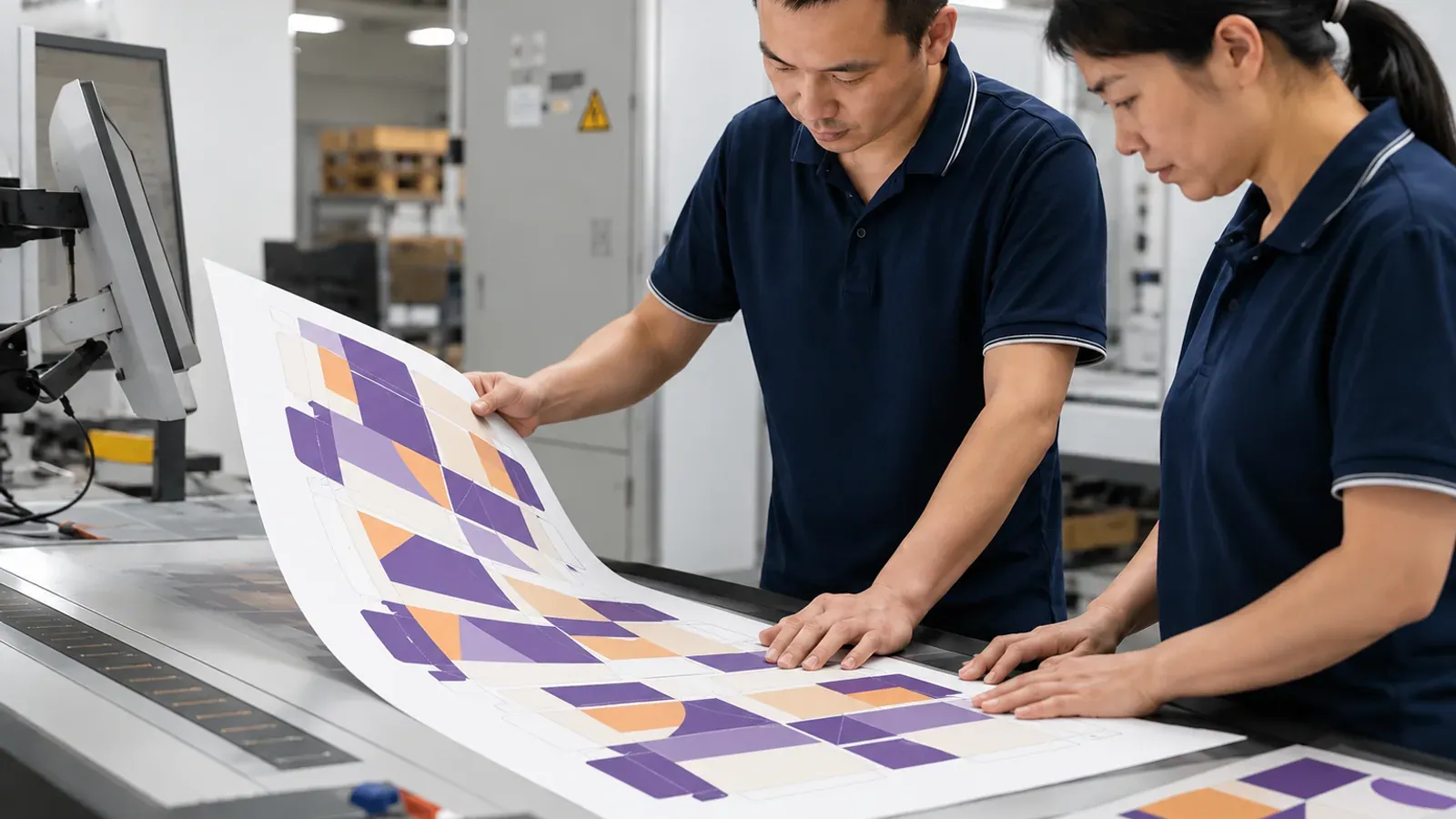
Reducing packaging cost does not have to mean choosing the thinnest paper, removing every finish or accepting inconsistent production. The biggest savings usually come from simplifying the specification, improving efficiency and removing costs that do not add meaningful value for the product or customer.
Understand the Main Cost Drivers
Custom packaging price is affected by material, size, structure, printing, finishing, tooling, quantity, assembly, packing and freight. A low unit price can hide separate charges or a different specification. Compare quotations line by line and make sure every supplier is pricing the same dimensions, board, printing coverage, finishes, insert, packing method and delivery term.
Optimize the Packaging Size
Oversized packaging uses more paper or board, occupies more export-carton space and can increase freight. Reducing unnecessary internal space may lower both manufacturing and logistics costs. Do not shrink the box until product fit, insert clearance, packing tolerance and protection are tested. The goal is efficient sizing, not minimum sizing at any cost.
Choose Material by Performance
Buyers sometimes specify a familiar GSM without considering structure or paper properties. Two boards with the same GSM can have different thickness, stiffness, print surface and folding behavior. Tell the supplier the product weight, box size, stacking, shipping and appearance requirements. A correctly matched board can outperform a heavier but unsuitable option.
Simplify the Structure
Complex structures may require more board, longer die-cutting, additional gluing and slower packing. Ask whether a standard tuck-end carton, mailer box or paperboard insert can meet the same functional need. Structural simplification must preserve protection, opening experience and packing speed. A cheaper box that increases labor or damage is not a real saving.
Use Finishing Selectively
Foil, embossing, spot UV, specialty film and accessories can create a premium result, but combining every process may add cost without improving the main visual message. Choose one or two focal effects. A foil logo on a clean printed surface may have more impact than several competing finishes.
Reduce Artwork Versions
Splitting an order across many designs creates extra setup, plates, color control and production handling. Where possible, use shared packaging and differentiate variants with labels, sleeves or a smaller printed element. Always state the quantity per design, not only the total volume.
Plan Quantity Around Total Cost
Higher quantity often reduces unit cost because setup and tooling are spread across more pieces. But ordering too much ties up cash and storage and creates obsolete stock after a design change. Compare quantity breaks using total landed cost, expected usage and inventory risk. The lowest unit price is not automatically the best purchasing decision.
Design for Efficient Packing
Flat-packed packaging usually saves storage and freight but requires assembly. Pre-assembled packaging saves labor but occupies more volume. Choose the format based on factory cost and your own packing operation. Ask how quickly operators can assemble the pack and whether the closure is easy to use consistently.
Avoid Late Changes
Changes after artwork approval, tooling or material preparation create rework and waste. Lock the product size, structure, material, artwork and finishes before bulk production. A structured approval checklist is also a cost-control tool.
Compare Freight Early
Packaging can be light but bulky. Rigid boxes and assembled structures may cost much more to ship than flat folding cartons or collapsible rigid boxes. Ask for carton dimensions, quantity per carton, gross weight and total volume before confirming the structure.
Protect Quality Where It Matters
Do not cut costs in areas that protect the product or prevent failure, including board stiffness, crease quality, glue strength, color control, insert fit and export packing. Identify the critical-to-quality points and simplify decorative features with less commercial impact.
Value-Engineering Checklist
- Can the size be reduced without affecting fit?
- Is the specified board heavier than necessary?
- Is there a simpler structure with similar protection?
- Which finish creates the strongest visual impact?
- Can artwork versions share components?
- Is flat packing practical?
- Which quantity break gives the best total cost?
- What are the carton dimensions and freight volume?
Frequently Asked Questions
Does thicker paper always mean better quality?
No. Stiffness, thickness, fiber direction, surface and structure all matter. The correct material is the one that meets the performance requirement.
Can changing the box size reduce freight?
Yes, especially when it improves units per export carton or reduces total volume. Product protection and packing tolerance must still be verified.
Is the lowest MOQ the cheapest option?
Not necessarily. A small run may have a high unit cost, while a large run may create excess inventory. Compare total cost and expected consumption.
Review Your Packaging Specification
Jeeli Packaging can review size, structure, material, finishing, packing and shipping factors to identify practical savings while protecting the functions that matter.
See our custom packaging products and request a packaging review with your dimensions, quantity, material preferences and destination.