
Packaging Knowledge
Luxury Candle Packaging Boxes: Rigid, Magnetic or Drawer - What Protects a Glass Jar and Sells Home Fragrance
Jar candles, pillars and reed diffusers need different structures and inserts. How to choose a rigid box that survives transit and still sells home fragrance.
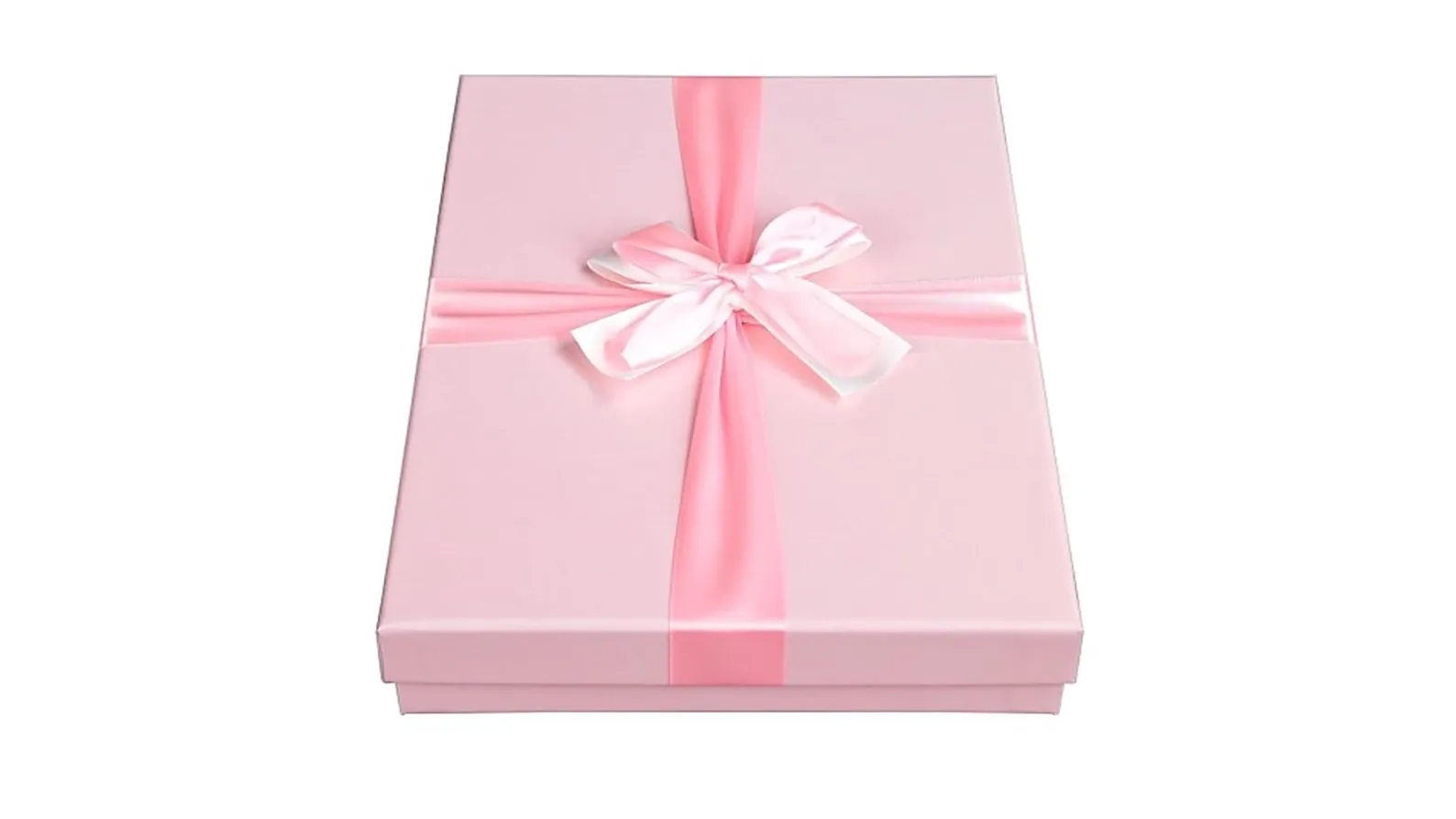
A candle in a glass jar is the most fragile premium product a home fragrance brand ships, and the box has to do three jobs at once: hold a heavy, slippery cylinder still, survive a courier network, and look worth $40 on a shelf. The structure that manages all three is usually a rigid box - but which one depends on the vessel, not on taste.
Which rigid box structure suits a jar candle?
Three structures cover most of the market, and the choice is usually about how the candle is sold rather than how it photographs:
- Lid-and-base - simplest and most economical: the base holds the jar and the lid drops over it. Right for retail and wholesale, where the box is opened once
- Magnetic book-style - opens like a book on a hinged spine with two magnets. The strongest unboxing moment, and what most gift and e-commerce candles use; it costs more because the tray and magnets are hand-fitted
- Drawer or sleeve - the candle slides out on a tray inside a sleeve. A premium reveal, but the tray must be built precisely or the jar catches
For a single jar up to about 300 g, lid-and-base is usually enough. Above that weight, or for anything sold as a gift, the magnetic box earns its cost in perceived value.
How do you stop a glass jar moving inside the box?
A 400 g glass jar is heavy, smooth and breakable, and it will find any gap you leave. Three insert options, in order of cost:
- Die-cut paperboard collar - a folded card platform with a circular cut-out that grips the jar at its widest point. Cheapest and recyclable; adequate for jars up to about 300 g
- Moulded pulp tray - wet-press pulp shaped to the jar and lid, usually 0.8-1.5 mm wall. Better cushioning than card, single-material with the box, and the option to choose for a plastic-free claim; it carries a mould charge and a higher minimum
- EVA foam - the best protection and the most premium feel, cut to a cavity with a recess for the lid. Heaviest, most expensive, and the one that complicates a recyclability claim
One rule holds whatever the material: the cavity should be 1-2 mm larger than the jar at its widest point and grip at the shoulder, not the base. Measure the actual vessel from the fill line down rather than specifying from a drawing.
Does packaging affect the candle itself?
Two effects are worth designing around:
- Heat - wax softens in transit and in a hot container. Sealing the candle into a tight, unvented cavity traps warm air around the jar; a little clearance lets the wax cool without slumping against the glass
- Fragrance migration - oil migrates into paper over months. Uncoated or kraft inner surfaces take up scent and can show a tide mark around the base; a coated liner or a pulp tray keeps the box clean after six months in stock
Neither is solved by a better printing job - both are solved by cavity design and the inner surface, which is why the insert should be decided with the vessel dimensions in hand rather than after the artwork is approved.
What changes for pillars, tins and reed diffusers?
- Pillar candles - no glass to protect, but wax dents and takes fingerprints. A paperboard cradle at two contact points plus a wrap is enough; a rigid box is usually over-specified
- Tin candles - the tin is tough and light, so the risk moves to the lid: a tin that opens in transit coats the box in wax. A shallow recess that presses the lid down solves it cheaply
- Reed diffusers - the constraint is height and liquid. An upright, leak-proof cavity for the bottle, and a channel that keeps the reeds straight and clear of the neck - usually a two-level tray in a taller box
How do you box a candle and diffuser as one gift set?
A candle plus a reed diffuser is the classic home fragrance duo, and where the insert earns its money. The workable layout is a three-cell pulp or card tray: candle one side, diffuser bottle the other, reeds in a narrow channel between them, the bottle held at the neck rather than the body.
Two details decide whether it arrives intact: the cavities must be sized independently, because a shared cavity lets the heavier jar move onto the bottle, and the lid must clear the tallest component by 3-5 mm. For Gulf markets, a magnetic book-style box in a deep matt finish with gold foil carries the price, and the tray can hold an oud bottle and a candle in the footprint of a standard two-jar set.
Which finishes sell a premium candle without breaking a recyclability claim?
Soft-touch matt lamination is the surface most associated with the category, and the one to question early: film lamination complicates a paper-recyclable claim. A small hot-foil logo or single rule line reads more expensive than a large foiled panel and uses less foil; emboss works well on uncoated wraps. For premium and credibly recyclable together: uncoated or water-based coated wrap, foil kept small, a paper or pulp insert, no magnets - and the claim stated carefully, because a foiled, magnetised, laminated box is not recyclable in most municipal streams. Insert trade-offs are in our packaging insert material guide.
What should you check on the sample?
- Drop the packed box from 800 mm onto a corner - the jar must not move, chip or crack the tray
- Open and close the lid or drawer twenty times - magnets still align, tray still intact
- Leave a packed sample in a warm room for a week, then check for wax marks and scent transfer on the board
Frequently asked questions
Is a rigid box necessary for a candle? Not always. A folding carton with a good paperboard cradle protects a 200-300 g jar for shelf sale. A rigid box earns its place when the candle is heavy, sold as a gift, or shipped direct to consumer.
Can a candle box be plastic-free? Yes - a paper-wrapped rigid box with a pulp or die-cut card insert, no film lamination, water-based coating. The constraint is protection: pulp cushions less than foam, so the cavity has to be more precise.
Should the box be vented? Clearance around the jar and a lid that is not sealed airtight is usually enough. Fully sealing a warm candle into a tight cavity is the more common mistake.
How Jeeli can help
Send the vessel dimensions - jar diameter, height, filled weight - plus the structure and finish you are considering, and we will come back with an insert recommendation rather than a box. We manufacture magnetic closure rigid boxes, lid-and-base boxes and drawer gift boxes, with paperboard, pulp and foam inserts; minimum 500 pieces, sampling 7-10 days, bulk 15-25 days. Structures are compared in our magnetic versus lid-and-base guide.
Ready to start? Get a Custom Quote — send your specification, including size, quantity, material and print requirements. We reply within 24 hours.
Susan Hou is Business Development Director at Jeeli Packaging in Shenzhen. She has spent 13 years working with overseas customers, from home & lifestyle products to energy storage, and now helps brands with custom boxes, paper bags, hang tags and labels. Behind her is Jeeli's professional production team, who handle printing, structure and quality control, from sampling to bulk production.