
Matte vs Gloss Lamination for Custom Packaging: Which Finish Should You Choose?
Matte vs gloss lamination for custom boxes and paper bags: scuff resistance, color, fingerprints, cost and finish compatibility.
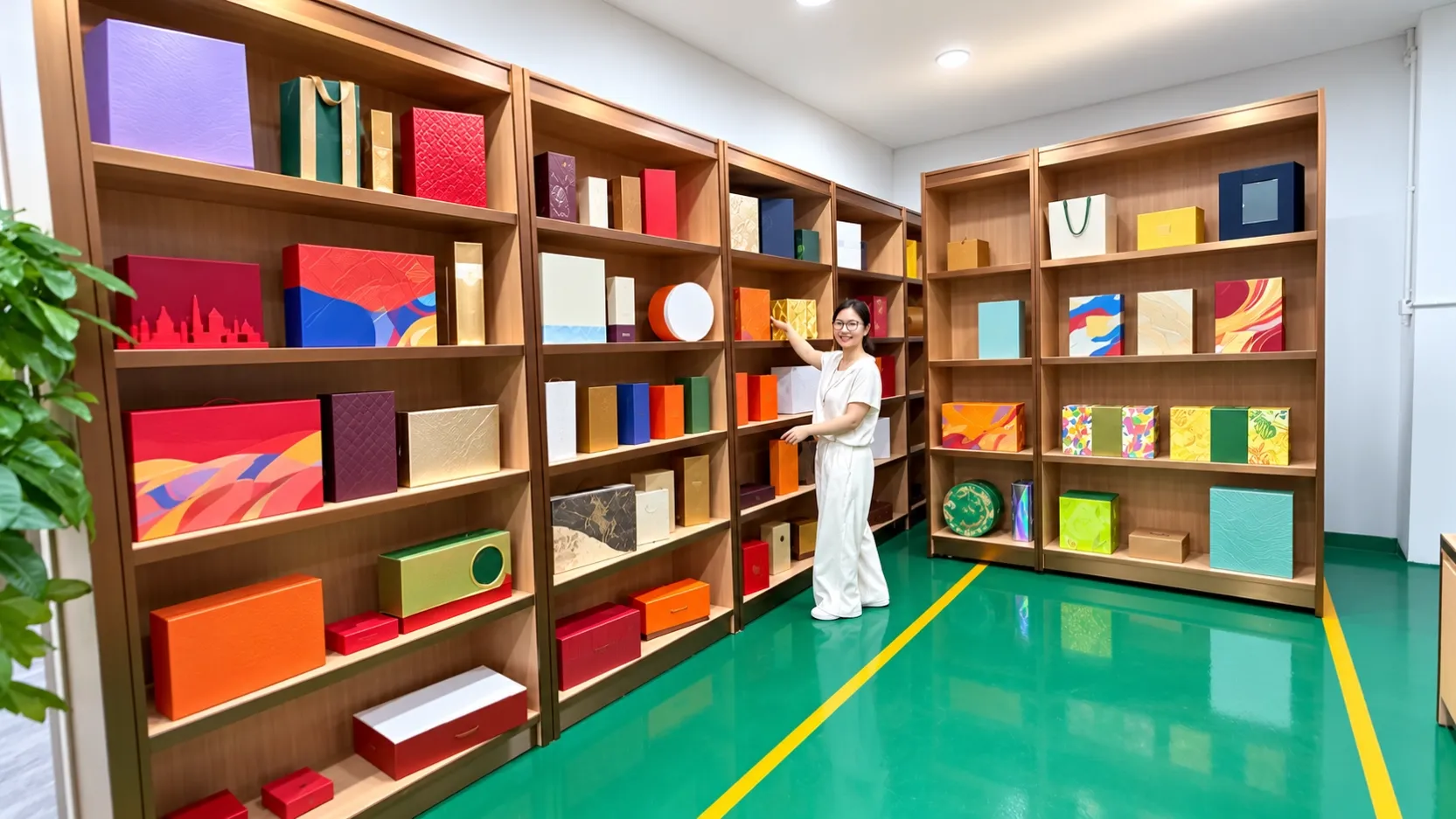
Matte and gloss lamination can start with the same printed artwork and create very different results. One feels restrained and soft; the other looks bright and saturated. The choice also affects fingerprints, scuff visibility, color appearance and compatibility with foil stamping or spot UV.
This guide helps buyers choose a surface finish based on product use rather than selecting from a small digital image.
What Is Packaging Lamination?
Lamination applies a thin protective film over printed paper. It can improve surface durability, change the appearance and provide a base for additional finishing. It is commonly used on folding cartons, rigid boxes, sleeves and premium paper bags.
Lamination is different from a liquid coating. Ask the supplier to identify the exact process, film type and finish included in the quotation so two apparently similar prices can be compared correctly.
What Does Matte Lamination Look and Feel Like?
Matte lamination reduces glare and creates a smooth, understated surface. It is often selected for cosmetics, fashion, electronics, wellness products and premium gift packaging.
Advantages of Matte Lamination
- Refined appearance with low reflection
- Good background for gloss spot UV or foil contrast
- Readable photography and text under strong retail lighting
- Often perceived as soft, modern and premium
Limitations to Consider
Dark matte surfaces can show rubbing, scratches, dust or fingerprint marks. Standard matte film may also reduce perceived color intensity. If the package will be packed tightly, transported in bulk or handled repeatedly, request a rub test and ask about scuff-resistant or anti-scratch options.
What Does Gloss Lamination Look and Feel Like?
Gloss lamination reflects more light and can make colors appear brighter and more saturated. It is often used for colorful consumer goods, promotional packaging, food-related outer cartons and designs that depend on vivid photography.
Advantages of Gloss Lamination
- Bright color and strong visual contrast
- Smooth surface that is generally easy to wipe
- Good protection from ordinary handling and light moisture
- Can help product photography appear more vivid
Limitations to Consider
Reflections can reduce readability under strong lighting, and fingerprints may remain visible at some viewing angles. A very shiny surface may also conflict with a quiet luxury brand position.
Matte vs Gloss: A Practical Comparison
- Color: gloss normally appears more saturated; matte is softer and less reflective.
- Scuff visibility: dark matte areas often reveal rubbing more easily; results depend on film and handling.
- Fingerprints: both can show marks, but visibility changes with color, texture and light.
- Photography: gloss increases vibrancy; matte controls glare.
- Premium effects: matte creates strong contrast with spot UV and metallic foil.
- Cost: standard options may be similar, while anti-scratch, soft-touch or specialty films add cost.
How Lamination Changes Printed Color
A screen preview cannot accurately show the final interaction between ink, paper and film. Matte lamination can slightly soften deep colors, while gloss can increase contrast. Uncoated, kraft and specialty papers may produce different results from coated white paperboard.
For color-sensitive projects, provide a physical reference or color standard and review a production-quality sample. Our guide to packaging paper materials explains why the substrate matters before finishing is applied.
Can You Add Foil, Embossing or Spot UV?
Yes, but the sequence and material compatibility need to be planned. Foil stamping can add metallic detail, embossing creates a raised or recessed texture, and spot UV creates localized gloss contrast. Fine lines, large solid areas and folds behave differently, so artwork should be reviewed before tooling.
A dramatic finish is not always the most effective. One controlled accent often performs better than combining several effects that compete for attention and increase cost.
What Should You Test Before Bulk Production?
- Color under daylight and retail lighting
- Rub and scuff resistance, especially on dark areas
- Fingerprints after normal handling
- Cracking around folds and creases
- Foil or spot UV registration
- Adhesion on the selected paper and ink coverage
- Appearance after packing and shipment
Review the sample as a finished box or bag, not only as a flat printed sheet. Folding, gluing and handling can expose issues that are not visible while the sheet is flat.
Frequently Asked Questions
Is matte lamination always more premium?
No. Premium perception depends on brand design, paper, color, structure and execution. Gloss can be premium when it supports the product and artwork.
Which finish is better for black packaging?
Matte can look elegant but may reveal scuffs. Gloss may show reflections and fingerprints. Request the exact material sample and test it through packing and transport.
Is soft-touch lamination the same as matte?
No. Soft-touch film has a tactile surface and normally costs more. Its rub resistance and compatibility with other finishes should be confirmed separately.
Can lamination make packaging waterproof?
Lamination can improve surface moisture resistance, but paper packaging is not automatically waterproof. Cut edges, folds, seams and prolonged exposure remain vulnerable.
Choose the Finish with a Real Sample
Browse our custom packaging options and send Jeeli Packaging your box or bag style, dimensions, quantity, artwork, destination and preferred finish. We can review the specification and recommend what to compare during sampling.