
Packaging Knowledge
Paper Bags vs Plastic Bags: Which Is Better for Your Brand?
Paper bags vs plastic bags: compare print quality, strength, cost and sustainability to choose the right shopping bag for your retail brand with confidence.
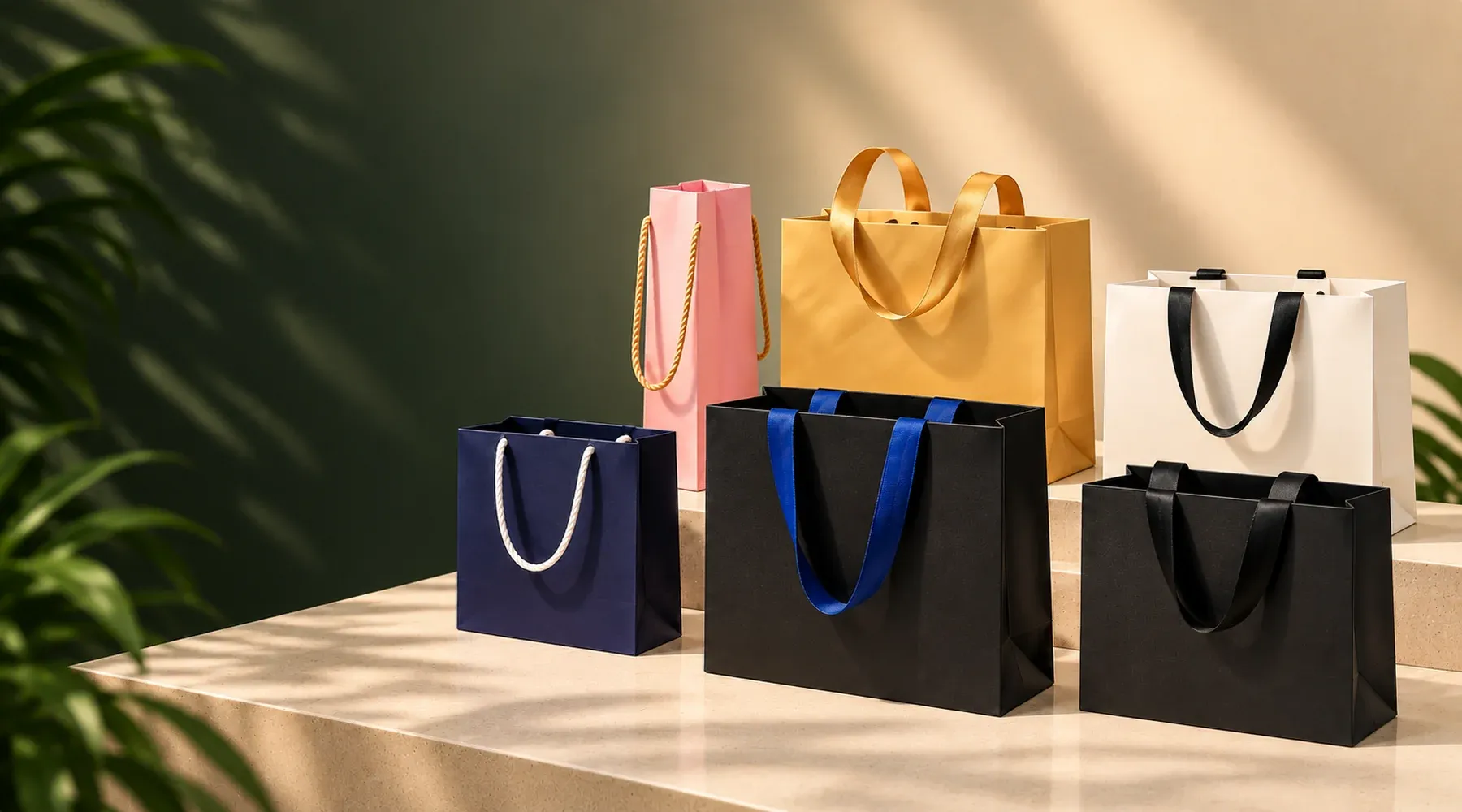
The shopping bag a customer carries out of your store is more than packaging. It is a moving sign for your brand, and the choice between paper and plastic shapes how people see your business long after they leave the till. Paper feels premium and natural, while plastic feels light and practical. Both can work, and both can fail, depending on what you sell, who buys it and how the bag will be used. This guide compares paper bags vs plastic bags across the factors that matter most to retail brands, so you can choose with confidence rather than habit.
Brand Image and Print Quality
Paper is the clear winner when the bag itself is part of the brand experience. A matte or kraft paper bag suggests care, quality and a natural, thoughtful approach, which suits fashion, beauty, jewellery, food and gift retailers. Its surface takes crisp, detailed printing, including fine lines, soft colours and elegant finishes such as foil stamping, embossing and spot UV, so a logo can look exactly as the designer intended.
Plastic can also be printed well, especially in bold, bright colours, but its glossy surface and thin feel are often associated with everyday, low-cost shopping. That is why many premium brands choose paper even when a plastic bag would be cheaper to produce.
Strength and Weight Capacity
Plastic bags, by contrast, stretch rather than tear, and they can handle awkward shapes and sharp corners without puncturing as easily. Thin plastic, however, can fail suddenly at the handles, and a loaded bag that stretches out of shape is uncomfortable to carry. For most everyday retail loads, a correctly specified paper bag is strong enough, and testing a real, filled bag is the best proof.
Strength is not a simple win for either material. A well-made paper bag with a reinforced base, strong handles and the right paper weight can carry surprisingly heavy loads, including books, jars and several items of clothing. The key is specification: paper weight, handle type, base construction and reinforcement all change what a bag can safely hold. Our paper bag weight capacity guide explains how load limits change with size and material, and what to test before a retail run.
Cost Factors
Unit cost depends on far more than the material. For paper bags, the main cost drivers are paper weight and finish, size, handle type, print colours and order quantity. For plastic bags, resin type, thickness and print also matter. Paper bags often cost more per unit at small quantities, but the gap narrows as volumes rise, and a well-chosen specification can keep a paper bag affordable without looking cheap.
Look beyond the price per bag. A bag that tears, looks dull or is thrown away immediately costs more in lost brand value than it saves at the till. Ask for a quotation based on your exact size, material, print and quantity, and compare like with like. Prices are quoted per specification, so a clear brief is the fastest way to a fair comparison.
Sustainability and Recyclability
Paper bags are made from a renewable resource, are widely recycled in many areas and break down more readily than plastic in the natural environment. That gives them a strong sustainability story, but the story is not complete without the full picture. Paper production uses water and energy, and a paper bag needs to be reused several times, or recycled, to realise its environmental benefit. A single-use paper bag that is used once and thrown away is not automatically the greener choice.
Plastic bags use less material and energy to make per bag, and they are light to transport, but they are recycled far less often in practice and can persist in the environment for a long time when littered. The honest answer is that the best choice depends on how the bag is used, reused and disposed of in your market. For a wider view of sustainable packaging choices, see our related reading: Sustainable Custom Packaging: A Buyer's Guide.
Regulations on Single-Use Plastic Bags
Rules on single-use plastic bags vary widely by market, and they change over time. Some places restrict or charge for certain thin plastic bags, while others set requirements for recycled content, labelling or reuse. Because the rules differ so much, always check the current requirements in each market where you sell, and design your bag to meet the strictest one you expect to face.
When Plastic Still Makes Sense
Paper is not the answer for every product. Plastic still makes sense when a purchase must stay dry in rain, when items are wet, greasy or likely to leak, or when a bag must be very light and compact for delivery. In those cases, choose a thicker reusable plastic bag, or a lined paper bag made for your product.
Paper Bags vs Plastic Bags at a Glance
Factor | Paper Bags | Plastic Bags |
Brand image | Premium, natural feel | Practical, everyday feel |
Print quality | Crisp, detailed finishes | Bold, bright colours |
Strength | Strong when specified well | Flexible, resists punctures |
Water resistance | Low unless lined | High |
Sustainability | Renewable, widely recycled | Light, but recycled less often |
A Short Decision Checklist
Before you order, work through this list:
- What will the bag carry, and how heavy is it?
- Will it be used in rain, or for wet items?
- Which look fits your brand and price level?
- What do the rules in your markets require?
- Can the bag be reused, and recycled where sold?
Frequently Asked Questions
Are paper bags stronger than plastic bags?
Not always. A well-specified paper bag can carry heavy retail loads, while a thin plastic bag can fail at the handles. What matters is the specification and testing, not the material alone.
Are paper bags more sustainable than plastic bags?
Often, but not always. Paper is renewable and widely recycled, yet it also takes water and energy to produce. Reuse and recycling in your market decide much of the benefit.
When should a brand still choose plastic?
Choose plastic when products must stay dry, or when items are wet or likely to leak. A thicker reusable plastic bag is usually the better choice in those cases.
How Jeeli Can Help
Jeeli helps retail brands choose and customise the right bag for their products, brand and market. From luxury paper bags with foil, embossing and ribbon handles to everyday retail carrier bags, we can help you compare materials, sizes and finishes, and test a specification before you commit to a full order. Share your products, sizes and quantities, and we will quote a bag that fits your brand and your budget.