
Buying Guides
Sustainable Custom Packaging: A Buyer's Guide to Materials, Costs and Certifications
A practical guide to sustainable custom packaging: mono materials, kraft and recycled boards, right-sizing, certifications and what cuts footprint.
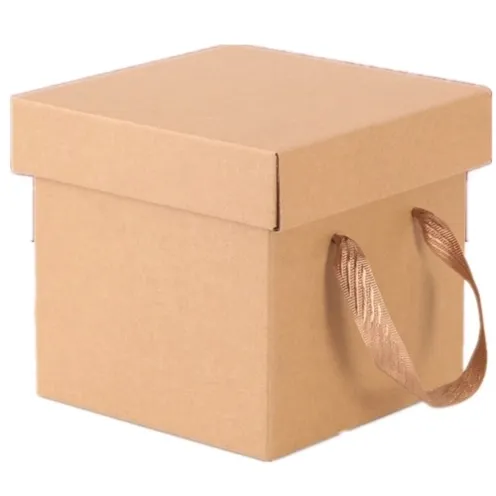
"Sustainable packaging" is one of those briefs that means six different things to six different people. This guide sorts the levers from the slogans: what actually changes the environmental footprint of a custom package, what it costs, and which claims you can safely make to your customers.
Lever 1: Mono Materials Beat Multi-Material Everything
The single most recyclable package is one made of one material. A paper box with a paper wrap and no plastic window is recyclable in almost every municipal stream; the same box with a laminated film window, a foam insert and a magnet often is not. When buyers ask "is this recyclable?", the honest answer depends far more on how many materials are joined together than on the percentage of recycled fibre.
Practical swaps that keep recyclability: paper-based tape instead of plastic, pulp or paperboard inserts instead of EVA foam, and — where a window is wanted — either no window or a cellulose-based film. A kraft mailer box is the archetype: unbleached liner, water-based varnish if scuff resistance is needed, fully repulpable.
Lever 2: Right-Sizing Beats Material Swapping
A smaller box is a smaller footprint twice over — less material, and less freight fuel per unit. Right-sizing (engineering the box to the product rather than the product to a stock box) routinely cuts 15–30% of board area on e-commerce lines. It is also the rare sustainability measure that lowers unit cost. If your current mailer has more than a thumb's width of void, that void is money and carbon leaving your warehouse together.
Lever 3: Kraft, Recycled and FSC — What Each Claim Means
Kraft / unbleached: skips the bleaching process, and its natural look itself signals sustainability to customers. Printing behaves differently on it; the effects are covered in our guide to printing on brown kraft paper.
Recycled content: genuinely valuable, but note that 100% recycled liner is weaker than virgin for the same weight — flute and board specs need checking, not assuming.
FSC certification: a chain-of-custody claim on fibre origin. It costs little per unit at volume and is the claim most easily substantiated to auditors and customers.
"Compostable": the claim most often over-reached. It applies to specific certified materials under specific conditions; a coated board is not compostable just because it is brown.
Each of those claims now has to survive an audit rather than a conversation, which is why the paperwork matters as much as the material: PPWR documentation for paper packaging covers the documents to keep and the questions to ask before an EU order.
Lever 4: Weight — The Hidden Spec
Paper weight changes both feel and footprint, and buyers routinely over-spec it. A 210 gsm bag carries most retail loads; the difference between 210 and 250 gsm is durability perception, and moving down a grade cuts material use across the entire run. The trade-off is laid out in our kraft paper GSM comparison, and the same logic applies to board grades on boxes.
What Not to Do
Don't switch to a "green" material that requires a plastic window to function — the join cancels the gain.
Don't print full solid coverage on an unbleached stock and call it minimal; heavy ink coverage is its own footprint line.
Don't claim biodegradability you cannot certify. In the EU and UK especially, unsubstantiated green claims are now a compliance risk, not just a reputational one.
A Sensible Starting Stack
For most e-commerce and retail brands, the highest-value first moves are: right-size the box, move to a mono-material construction, switch void fill and tape to paper, and put the natural kraft aesthetic to work rather than covering it. Natural-fibre bags like our brown kraft paper bags pair with the mailer for a consistent unboxing story. Each of those is a straightforward spec change on your next quote — and unlike most "sustainability projects", the first one usually pays for itself.