
Packaging Knowledge
What Is a Rigid Box? Construction, Styles and When It Is Worth the Cost
A rigid box is thick greyboard wrapped in printed paper that never folds flat. See how it is built, common styles and when it beats a folding carton.
What Is a Rigid Box?
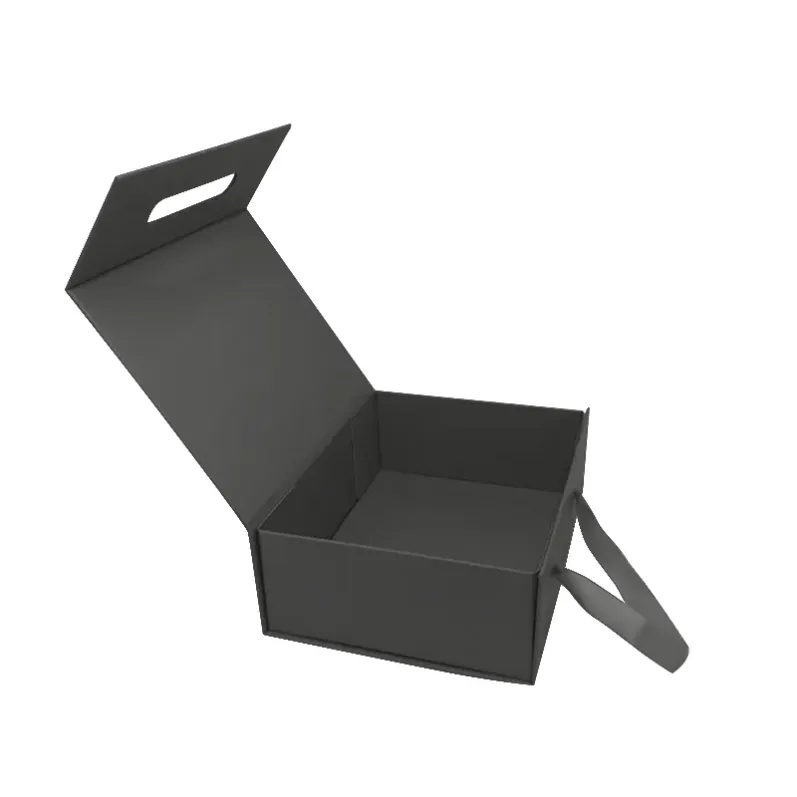
A rigid box (also called a setup box) is a box made from thick, non-bending greyboard that is wrapped in printed or plain paper and assembled at the factory. Unlike a folding carton, it does not collapse: the walls are already formed when it reaches you, which is what gives it the heavy, premium feel that luxury brands pay for.
Jewelry boxes, iPhone boxes, perfume sets, board game boxes and high-end gift packaging are all rigid boxes. The category covers a family of structures — lid-and-base boxes, magnetic closure boxes, drawer boxes, book-style boxes — that share the same core: a rigid greyboard skeleton covered by a printed wrap.
How a Rigid Box Is Made
Greyboard forms the skeleton — 1.0–3.0 mm thick chipboard, cut into panels for walls, base and lid.
Panels are glued and squared — the board is folded and assembled into the final shape; corners may be 90° sharp or rounded.
A printed wrap covers the skeleton — art paper, specialty paper or printed SBS is wrapped and glued over the board, inside and out.
Inserts are added — EVA foam, molded pulp, corrugated or cardboard platforms hold the product in place.
Because the box is assembled by hand or semi-automatically, unit cost is typically 3–10× a folding carton of similar size — and because it cannot ship flat, freight volume is much higher. The payoff is perceived value: a rigid box signals "this product is expensive" before the customer sees the product.
Common Rigid Box Styles
Lid and base (two-piece) — the classic setup box; the lid may be full-depth or partial ("shoulder" style).
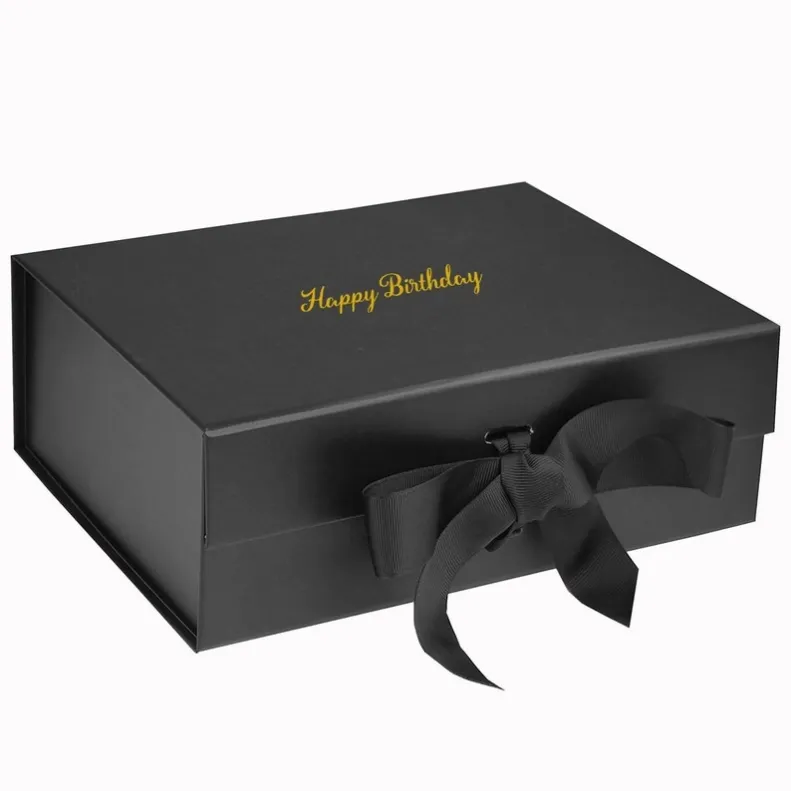
Magnetic closure — a hinged or book-style lid with embedded magnets; popular for premium retail and gift sets. See our magnetic closure rigid box.
Drawer box — an outer sleeve with an inner sliding tray; common in jewelry and stationery.
Book-style / clamshell — opens like a book, often with a foam cradle inside for electronics.
Flat-pack rigid — engineered to ship assembled but folded down, or to be assembled by the customer in seconds; it trades a little rigidity for much lower freight. Our foldable rigid boxes cover this style.
Rigid Box vs Folding Carton: Which One Do You Need?
A simple test: if the box must survive parcel shipping by itself and touch the consumer as the first brand moment, rigid is usually worth it. If the box sits inside another shipping carton on a retail shelf, a folding carton does the same presentation job at a fraction of the cost. When weight of the product or gift position demands more, a hybrid works well: a rigid box for the gift set, a corrugated outer for delivery.
Choose rigid for jewelry, electronics flagship packaging, luxury cosmetics sets, hotel amenities and corporate gifts.
Choose folding carton for single retail products, supplements, and any item packed inside a master case.
What Drives Rigid Box Cost?
Board thickness — each extra 0.5 mm of greyboard raises material and freight cost.
Wrap coverage — full inside/outside printed wraps cost more than plain or partial wraps.
Finishes — soft-touch lamination, foil, deboss and specialty papers add modest per-unit cost but strong shelf impact.
Assembly — complex structures (drawers, magnetic flaps) add labor minutes per box.
Our team shares a practical breakdown in why your gift box design could be costing you more, including the wrap and insert decisions that quietly double unit cost.
Frequently Asked Questions
What board is inside a rigid box?
Greyboard (also called chipboard) — uncoated recycled or virgin fiber board from about 1.0 to 3.0 mm thick. It is never printed directly; the printed wrap carries all graphics.
Can rigid boxes be flattened for shipping?
Standard setup boxes cannot — that is the trade-off. Flat-pack rigid designs solve it by using hinged or interlocking panels that fold down, cutting freight volume by 50–70% while keeping an assembled look.
What MOQ should I expect?
Rigid boxes involve hand-assembly and custom tooling, so MOQs typically start at 500–1,000 pcs. Jeeli Packaging produces magnetic, drawer and lid-and-base rigid boxes from 1,000 pcs.
Get a Rigid Box Quote
Tell us the product dimensions and the unboxing moment you want, and our engineers will propose structure, greyboard thickness, wrap paper and insert. Start from our foldable rigid boxes or magnetic closure rigid box pages, or request a custom quote.