
How Die-Cutting Waste Affects Packaging Costs [Reduction Guide]
See how dieline shape, sheet layout & nesting affect die-cutting waste. Learn strategies to reduce waste and lower packaging production costs!
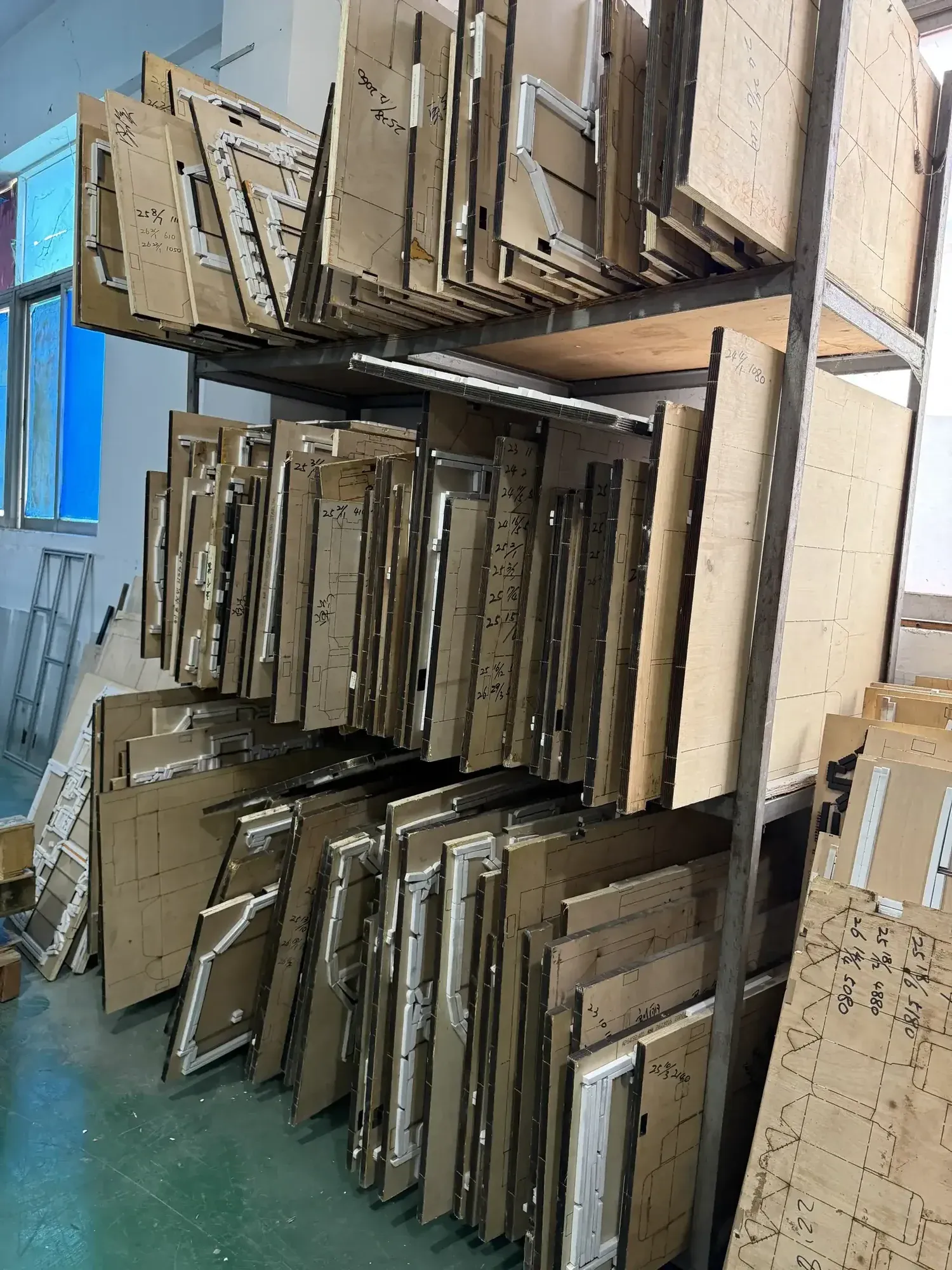
This guide is for packaging buyers, structural designers, and procurement teams comparing material-efficiency options for a defined paper-based package. It is not a promise that every dieline can be made cheaper or that one waste percentage proves supplier performance. Use the finished size, dieline, board, printing, finishing, quantity, and approval criteria as inputs.
The useful output is a short list of layout or structure options to review, the constraints attached to each option, and the sample evidence required before approval. Treat those as planning outputs—not a quotation, guaranteed saving, or production approval.
What die-cutting waste means in packaging
A die-cut sheet contains finished packaging blanks plus trim, gaps between blanks, gripper and process allowances, internal cutouts, and material removed during stripping. Additional production loss can come from setup sheets, damaged stock, registration errors, cutting defects, or rejected creases.
These categories should not be mixed without definition. Geometric offcut describes unused sheet area around a layout. Process waste may include setup and rejected sheets. Material utilization is the share of purchased sheet area that becomes usable blanks. Ask which boundary a supplier is using before comparing numbers.
Start with the dieline and production sheet
The shape of the flat packaging blank strongly influences how many units fit on a sheet. Rectangular cartons may nest efficiently, while angled panels, handles, windows, locking features, or projecting tabs can leave more unused area. Rotating or alternating blanks may help, but grain direction, artwork orientation, coating, foil direction, and folding requirements can limit those options.
Review the dieline on the intended production sheet, not only as one isolated blank. Ask how many blanks are planned per sheet, which dimensions constrain the layout, and whether a modest structural adjustment could improve use without changing product fit or customer experience.
Do not remove functional material merely to improve a percentage. Glue flaps need enough area for the adhesive and process. Locking tabs must assemble reliably. Creases and cut lines need suitable spacing. Efficiency matters only when the finished package still performs.
Printing and finishing can limit layout options
The print sheet must work before it reaches the die cutter. Press size, printable area, gripper allowance, color bars, registration marks, and sheet handling define usable space. Heavy ink coverage or directional artwork can affect how blanks rotate.
Foil stamping, spot UV, embossing, debossing, windows, and lamination may require registration space, tooling clearance, or a particular sequence. If package variants share a sheet, their colors and finishing requirements must also be compatible.
Material utilization should be reviewed within the custom packaging manufacturing process, where structure, printing, finishing, sampling, production, and packing are connected.
How waste enters the commercial calculation
Paperboard purchased for a job includes material that becomes finished blanks and material needed for setup, trim, allowances, and expected loss. Tooling, machine time, stripping, inspection, and recycling or disposal handling may also affect the quotation.
Buyers should not compare a waste rate without understanding its boundary. Does it cover only geometric offcut, or also printing setup and rejected sheets? Is it based on finished blank area or purchased material? Different definitions can make similar production plans look inconsistent.
Ask for the proposed sheet size, blanks per sheet, and major layout constraints when utilization materially affects cost. For other reasons quotations vary, see why folding carton quotes vary.
Die-cutting waste reduction checklist
| Lever | Buyer question | Important boundary |
|---|---|---|
| Finished size | Can a small dimension change improve nesting? | Product clearance and shelf requirements must remain valid. |
| Dieline shape | Can tabs, flaps, or projections be revised? | Assembly, closure strength, and usability must not be compromised. |
| Sheet layout | How many blanks fit, and can they rotate or alternate? | Grain, artwork, print, and finishing may restrict rotation. |
| Shared production | Can compatible variants share material or setup? | Color, substrate, finish, timing, and inspection must align. |
| Windows and cutouts | Can size or position reduce fragile waste areas? | Visibility and structural support still govern the design. |
| Process stability | Are spacing and stripping allowances adequate? | Over-tight layouts can create defects and downtime. |
Use this checklist before artwork is finalized. Once graphics, tooling, and approvals are locked, even a sensible layout improvement may trigger more rework than it saves.
Reduce waste during structural development
Start with accurate product dimensions, orientation, clearance, weight, and protection needs. Oversized packaging uses more board and may increase inserts, packing material, outer cartons, and freight volume. Undersized packaging creates fit and damage risks. The target is a justified size, not simply the smallest box.
Ask for structural feedback before completing panel artwork. A change to a flap or panel dimension alters the dieline and graphics crossing its folds. Early review lets structural and creative teams consider nesting, assembly, and product fit together.
If the unresolved task is choosing the carton format, use the guide on folding carton structure selection. Waste optimization should follow a justified structure rather than replace that decision.
Provide the complete size and variant program. A factory may identify common materials, compatible groups, or layout alternatives, but different colors, finishes, quantities, and schedules may prevent shared production. Browse Jeeli Packaging’s custom packaging product range to define the structure being sourced.
Prevent rejects during die cutting and stripping
Material utilization on paper does not help if sheets are rejected. Approve cut dimensions, crease position, fold behavior, tab fit, window position, and print-to-cut registration on a representative sample. Inspect both the flat blank and assembled package.
Paperboard grain, thickness, coating, lamination, print coverage, tooling condition, setup, and ambient conditions can influence cutting and creasing. Buyers do not need to set machine parameters, but they should define the appearance and functional criteria the supplier must verify.
For complex structures, ask which features are most sensitive during stripping or assembly. Tiny waste areas, narrow bridges, sharp internal corners, or closely spaced cuts may need special attention. A slightly less compact layout may be commercially preferable if it improves repeatability.
Compare alternatives with the same specification
Keep product fit, material, printing, finishing, quality criteria, quantity, and packing assumptions visible when requesting a cost option. Otherwise, a lower quotation may come from different board, smaller dimensions, simpler finish, or changed packing rather than better utilization.
Label each alternative clearly: original structure, revised dieline, revised sheet layout, or changed specification. Request a sample when the change affects assembly, opening, strength, product support, or visible proportions.
Information to prepare for a useful review
- Product dimensions, weight, orientation, and protection points
- Current dieline and finished packaging dimensions
- Board grade or performance requirement
- Artwork direction and panels that cannot rotate
- Printing coverage and color relationships
- Foil, UV, embossing, windows, lamination, and other finishes
- Quantity by size and artwork variant
- Assembly, packing, display, and shipping requirements
- Approved sample criteria and allowable structural changes
Frequently asked questions
Does less die-cutting waste always mean a lower price?
Not always. A tighter layout may affect tooling, stripping, setup, speed, or defect risk. Total cost depends on the complete production route and specification.
Can rotating carton blanks reduce waste?
It may improve nesting, but grain direction, artwork orientation, finishing, and folding performance can restrict rotation. The actual dieline and material must be evaluated.
Should buyers ask for a waste percentage?
They can, but the definition must be clear. Ask what material and process losses are included and which baseline is used. Sheet size and blanks per sheet may be more actionable.
Can different carton sizes share one sheet?
Sometimes, if material, printing, finishing, timing, quantities, and controls are compatible. Combining jobs can also create imbalance or scheduling constraints.
When should the dieline be optimized?
Before final artwork and tooling approval. Early optimization allows structural and graphic changes to be assessed together and reduces rework risk.
Ask for an option, not an unsupported promise
Die-cutting waste is best managed through coordinated structure, sheet layout, printing, finishing, and process control. Send Jeeli Packaging the product data, dieline, material, artwork direction, finishes, quantities, and approval criteria for a project-specific optimization review. Any option must still be sampled and approved; discussion alone does not confirm cost, savings, layout feasibility, or production approval.