
Folding Cartons
Custom Folding Boxes
Custom folding boxes for cosmetics, electronics and retail products. Choose custom sizes, paperboard, printing and finishes. Request a quote from Jeeli.
Product Overview
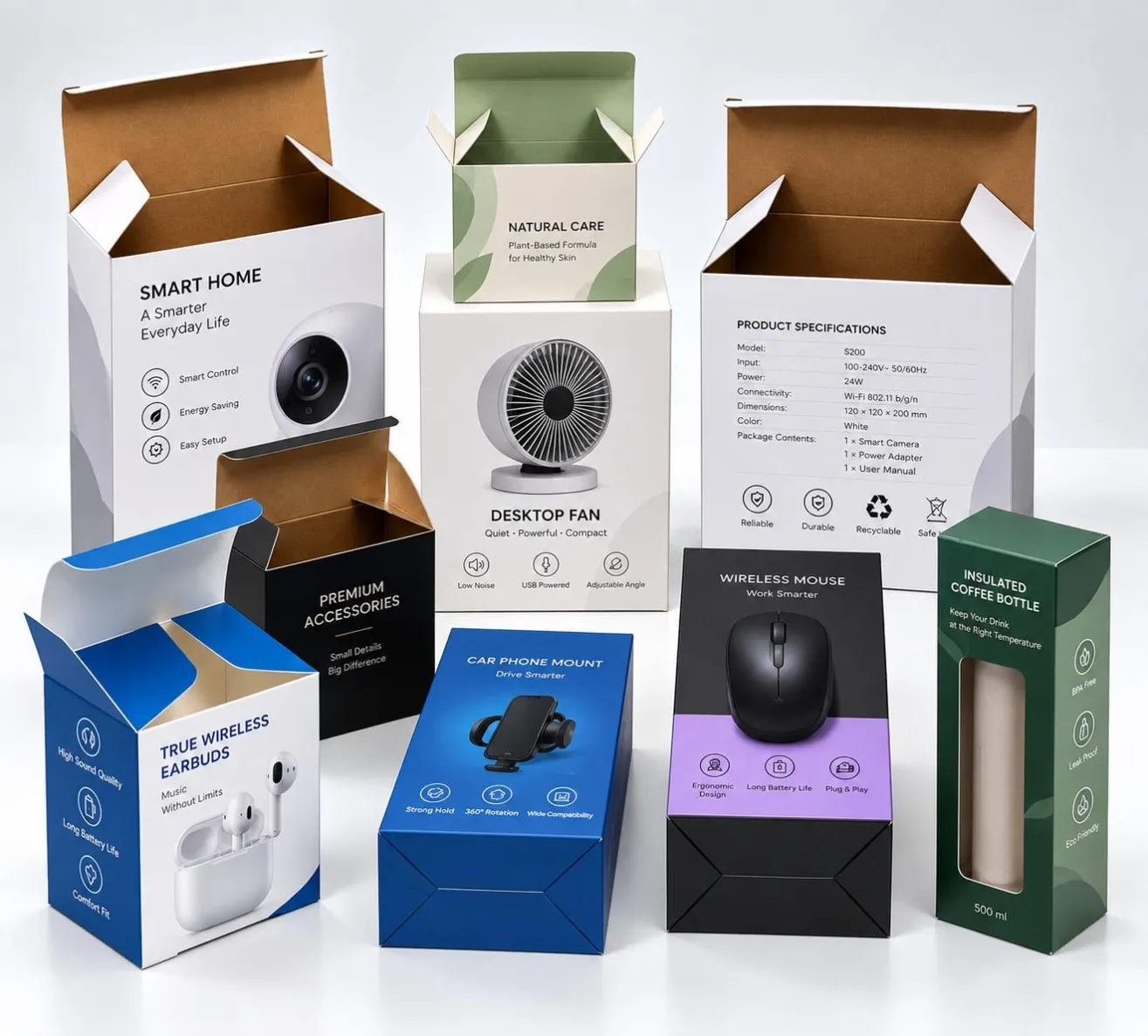
Custom folding boxes are a practical packaging solution for cosmetics, electronics, personal care products, accessories and other retail goods.
Jeeli Packaging manufactures custom folding cartons with flexible sizes, paperboard materials, box structures, printing and finishing options.
We help buyers evaluate packaging based on the actual product rather than appearance alone. Product dimensions, weight, inserts, packing methods and presentation requirements should be considered together before confirming the final specification.
From simple printed cartons to more refined retail packaging, our goal is to provide a solution that balances product fit, appearance, production efficiency and cost.
Key Features
- Custom sizes and carton structures
- Paperboard materials selected for product and packaging requirements
- CMYK and Pantone color printing
- Custom logo and branded artwork printing
- Hot foil stamping, embossing, debossing and Spot UV
- Matte, gloss and soft-touch finishing options
- Optional windows, partitions and paperboard inserts
- Flat-packed structures for efficient storage and transportation
- Structural and printed samples before bulk production
- Flexible customization for different order quantities
Paperboard Materials
The right paperboard depends on the carton size, product weight, required stiffness, printing surface and folding structure.
SBS / White Paperboard
A clean white printing surface suitable for cosmetics, personal care products, electronics and premium retail packaging.
C1S Paperboard
Coated on one side for high-quality printing, with various board constructions available depending on the required stiffness, surface and cost.
CCNB / Recycled Paperboard
An economical option for suitable retail and consumer packaging applications where material appearance, strength and product requirements allow.
Kraft Paperboard
Provides a natural brown appearance for brands seeking a simple, understated packaging style.
Specialty Paperboard
Textured, colored or other specialty paperboards can be considered for distinctive packaging designs, subject to structural and production suitability.
Paperboard GSM is only one part of material selection. Thickness, stiffness and folding performance can differ even when two boards have similar grammage.
Folding Carton Structures
Different carton structures provide different advantages in assembly, closure, bottom support and packing efficiency.
Straight Tuck End Boxes
A common option for lightweight retail products, cosmetics and accessories.
Reverse Tuck End Boxes
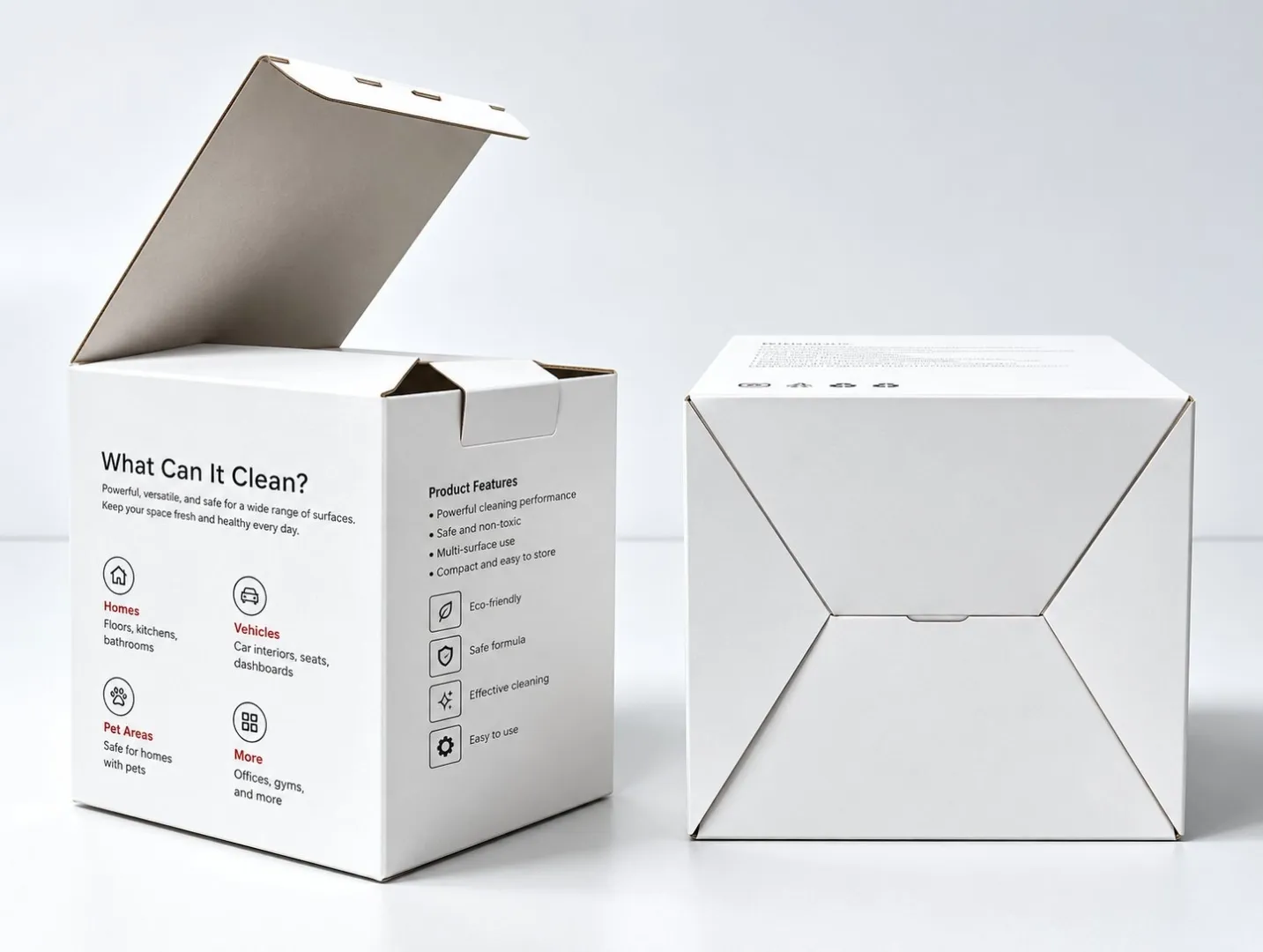
A practical folding carton structure with tuck flaps on opposite sides, suitable for a variety of consumer products.
Auto-Lock Bottom Boxes
Designed for applications where faster assembly or additional bottom support may be beneficial.
Snap-Lock Bottom Boxes
Use interlocking bottom flaps and may be suitable for products requiring a more secure bottom construction.
Window Folding Cartons
Allow part of the product to remain visible through a die-cut opening, with or without a suitable window film.
Custom Structures
Special openings, locking features, inserts and other structural details can be developed according to the product and packing requirements.
The most suitable structure depends on product weight, carton dimensions, assembly method and intended use. See our folding carton structure selection guide for more information.
Printing & Finishing Options
Printing
- Full-color CMYK printing
- Pantone spot color printing
- Single-sided or double-sided printing
- Inside printing where required
- Custom artwork, logos and product information
Surface Finishing
- Hot foil stamping
- Embossing and debossing
- Spot UV
- Matte or gloss lamination
- Soft-touch lamination
- Water-based varnish and other suitable coatings
Finishing should be selected according to the paperboard, artwork, folding areas and desired appearance.
More finishing does not automatically mean better packaging. A suitable paperboard, controlled printing and one carefully selected finishing detail can often create a refined result.
Product Fit & Packaging Performance
A folding carton should be developed around the complete product and packing process.
Before finalizing the box size, consider:
- Actual product dimensions and weight
- Required internal clearance
- Product orientation and loading direction
- Paperboard thickness and structural overlaps
- Inserts or internal supports
- Opening and closing performance
- Manual or automated packing requirements
A carton that looks correct when empty may not work properly after the product is inserted.
Applications
Cosmetics & Skincare
Printed cartons for creams, serums, skincare bottles, beauty accessories and cosmetic sets.
Electronics & Accessories
Folding cartons for chargers, cables, small electronic accessories and other suitable retail products.
Personal Care & Healthcare
Packaging for personal care products and suitable healthcare-related retail goods, subject to applicable labeling and compliance requirements.
Food & Consumer Products
Cartons for tea, confectionery and other consumer products, with food-contact materials and requirements evaluated separately where necessary.
Gifts & Lifestyle Products
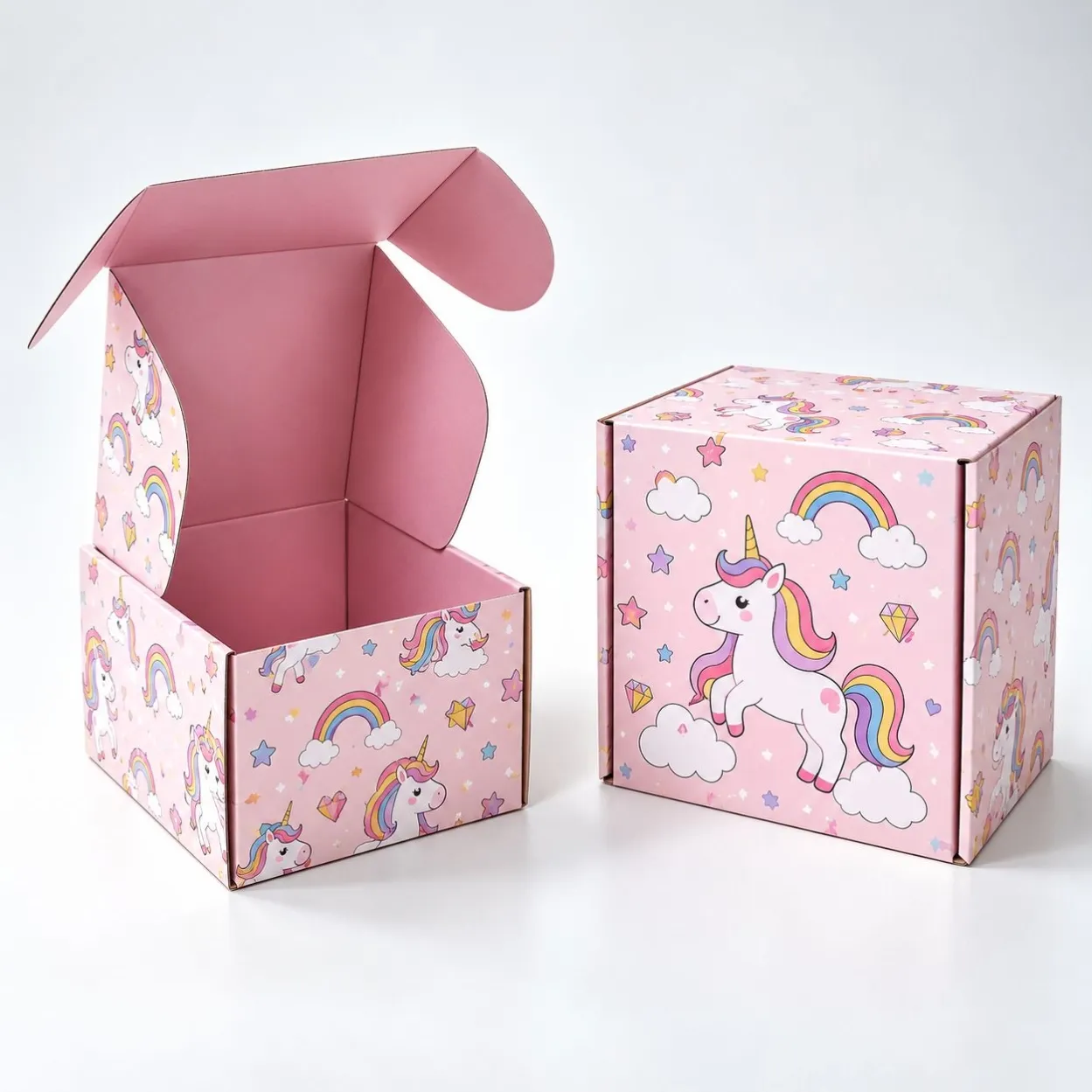
Branded folding boxes for candles, small gifts, stationery, accessories and promotional products.
Customization & Sampling
Our customization process starts with understanding what the carton needs to hold and how it will be packed.
We can review your product dimensions, reference photos, existing packaging, artwork and required quantity before recommending a suitable structure and material.
Sampling can help verify:
- Finished carton size
- Product and insert fit
- Paperboard appearance and stiffness
- Opening and closing performance
- Printing and finishing expectations
- Practicality of assembly and packing
Before mass production, we recommend reviewing the folding carton sample approval checklist with the actual product whenever possible.
Frequently Asked Questions
What is the difference between folding cartons and rigid boxes?
Folding cartons are generally made from foldable paperboard and are commonly supplied flat. Rigid boxes use a thicker board construction and are usually supplied assembled or in specially designed collapsible formats.
The best choice depends on product protection, appearance, quantity, budget and shipping requirements.
What paperboard thickness should I choose?
There is no single GSM suitable for every folding carton. Paperboard type, thickness, stiffness, carton dimensions, product weight and structure should be evaluated together.
Can you produce custom sizes and structures?
Yes. Custom dimensions, tuck-end styles, bottom closures, windows and inserts can be developed according to the product requirements.
Can you print my logo and artwork?
Yes. We offer CMYK and Pantone printing, with optional finishing such as foil stamping, embossing and Spot UV.
Can I request a sample before bulk production?
Yes. Sample options depend on the project specifications and which aspects of the final packaging need to be evaluated.
What information is needed for a quotation?
Please provide the required quantity, product or carton dimensions, product weight, preferred paperboard, printing and finishing requirements, artwork and any insert or window details.
Reference photos or an existing packaging sample are also helpful.
Request a Custom Folding Box Quote
Looking for custom folding boxes for your products?
Send Jeeli Packaging your product dimensions, quantity, artwork or reference images, and any preferred materials or finishing details.
We can review the carton structure, material options and production requirements before preparing a quotation.