
Buying Guides
Greyboard Thickness for Rigid Boxes: 1.5mm vs 2mm vs 3mm
2mm greyboard fits most rigid boxes. 1.5mm suits small, light boxes; 3mm is for large or heavy sets. Compare cost, feel and failure risks before ordering.
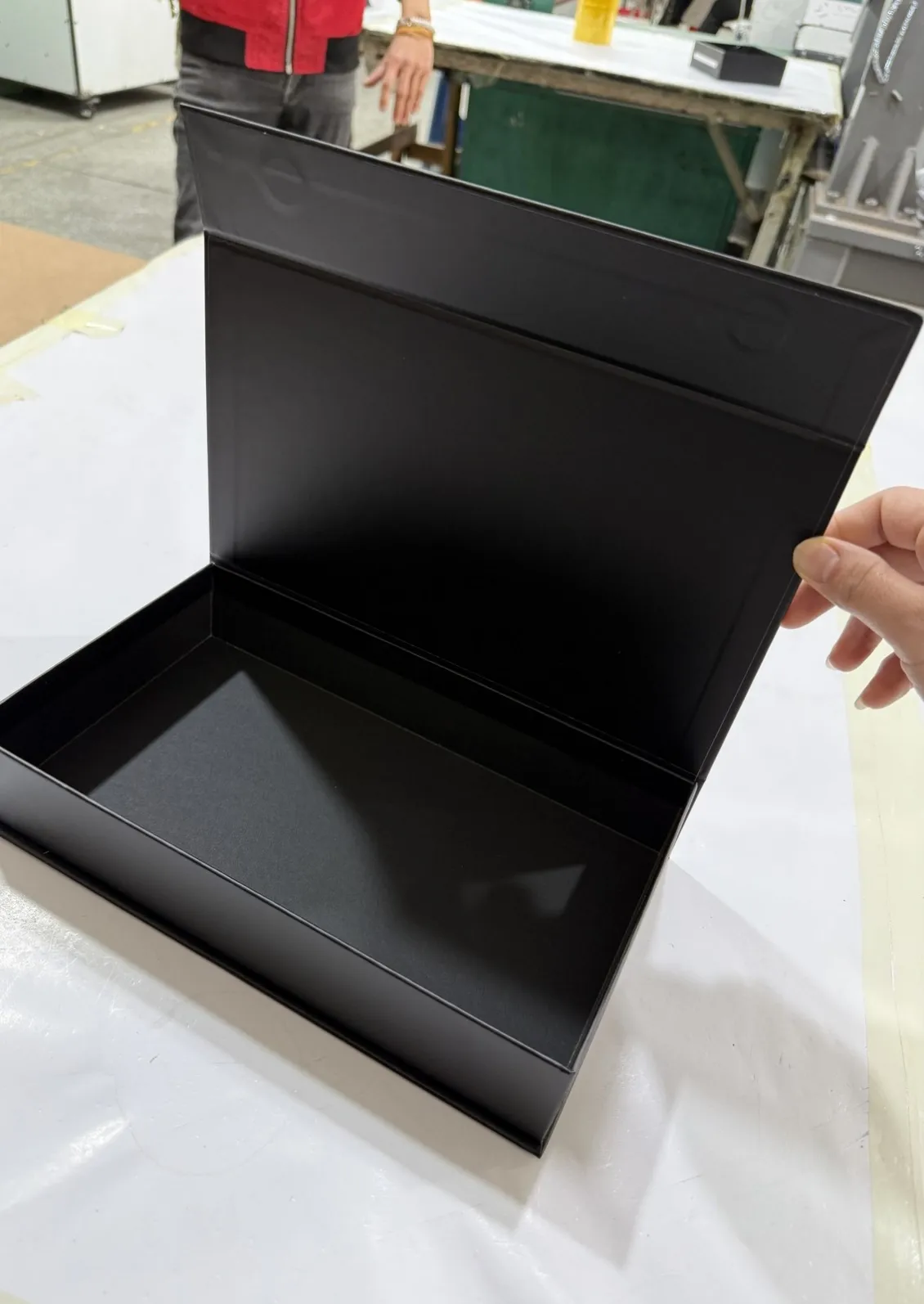
If you are ordering rigid boxes, 2mm greyboard is the safe default for most jobs. Choose 1.5mm when the box is small and the product is light — jewellery, small cosmetics, gift cards. Choose 3mm when the box is large, the product is heavy, or the box must survive rough handling without flexing. The wrong thickness is one of the most common reasons a rigid box feels cheap, dents in transit, or costs more than it should — and it is fixed before production starts, not after.
Greyboard is the skeleton inside every rigid box. It is never printed directly; a printed wrap paper carries all the graphics. Because the board decides stiffness, weight and cost at the same time, thickness is the first specification to settle, before finishes and inserts.
What Greyboard Thickness Actually Controls
Thickness controls four things buyers notice:
Stiffness. A thicker board resists bending and denting. Press the wall of a 1.5mm box and a 3mm box of the same size with your thumb and the difference is immediate. Stiffness matters most for large flat panels, because a wide wall flexes far more easily than a small one.
Perceived value. Weight and rigidity are the first things a customer feels when they pick up a rigid box. A box that feels flimsy undermines the product inside it, even if the print is perfect.
Lid fit. Board thickness changes the inside dimensions of the box. A lid sized for 2mm board will sit loose on a 1.5mm base and tight on a 3mm base. Change the thickness after the dieline is made and the lid fit must be recalculated. Our guide to lid fit problems explains the tolerance checks that catch this before bulk production.
Cost and freight. Each extra 0.5mm of greyboard raises material cost and shipping weight. Rigid boxes ship assembled, so heavier board makes every carton heavier.
1.5mm Greyboard: Light, Neat — and Easy to Dent
1.5mm greyboard works well for small boxes with light contents: jewellery boxes, small cosmetic compacts, gift card holders, and slim drawer boxes where the product itself weighs almost nothing.
Its advantages are real: the box feels neat and precise, corners stay sharp, and material and freight costs are the lowest of the three options. For a small box that will be displayed on a shelf and handled gently, 1.5mm is often all you need.
Its limits show up quickly outside that range. A 1.5mm wall dents under a firm thumb press, and a large 1.5mm box can bow when lifted by one edge. It is a poor choice for heavy products — a glass perfume bottle, a power bank, a ceramic item — because the product's own weight works against the walls during shipping. It is also the least forgiving option if the box ships without an outer carton.
Choose 1.5mm when the box is small (roughly palm-sized or smaller), the product is light, and the box will travel inside an outer shipping carton. If any of those three conditions fails, move up to 2mm.
2mm Greyboard: The Default for Most Rigid Boxes
2mm is the workhorse thickness, and the one we recommend first when a buyer has no strong reason to go thinner or thicker. It covers the middle of the market: cosmetic gift sets, skincare kits, small electronics, candles, stationery sets, and corporate gifts.
A real example from our factory: a matte black magnetic book-style rigid box we produced for a European client used 1200gsm greyboard — roughly 2mm — wrapped with 157gsm C2S art paper and finished with matte lamination. That combination gives a firm wall, a clean hinge line, and a premium matte hand-feel without the weight penalty of 3mm board.
2mm also keeps the common structures practical. Lid-and-base boxes, magnetic closure boxes and drawer boxes all assemble cleanly at 2mm, and the lid tolerance is manageable with standard tooling. It is thick enough to hold an EVA foam or cardboard insert without the walls bowing, and light enough that freight stays reasonable for a premium product.
Choose 2mm when you are unsure. It is the thickness most likely to pass a sample check first time, which matters because sampling takes 7–10 days and a second round costs another week.

3mm Greyboard: For Large Boxes and Heavy Products
3mm greyboard is the heavy-duty option. Use it when the box is large — a board game box, a large gift hamper, a multi-piece set — or when the product is heavy enough to stress the walls, such as a bottle set, a ceramic tea set, or a premium electronics kit.
The stiffness gain is significant: a 3mm wall resists denting and corner crushing far better than 2mm, which is why large boxes that ship by themselves often need it. If your box will travel without an outer carton, 3mm is worth serious consideration.
But 3mm has real trade-offs. Material cost is the highest of the three, and thick board is harder to wrap neatly: corners can look bulky, hinge scores need deeper grooving, and magnetic lids need a stronger magnet and a deeper recess to close flush.
Choose 3mm when the box is large or heavy, or when it must survive shipping without an outer carton. Do not choose it for a small box: the extra rigidity adds cost without any benefit the customer can feel.
Thickness by Box Style
The right thickness also depends on the structure, because each style stresses the board differently. Lid-and-base boxes are the most forgiving: 2mm suits most sizes, 1.5mm works for small gift boxes, and 3mm is for large formats. Magnetic closure boxes need enough board to hold the magnet recess — 2mm is the practical minimum, because at 1.5mm the magnet can show through the wrap or work loose. Drawer boxes put the stress on the sliding tray: a 1.5mm tray can bow and jam inside the sleeve, so test the slide with the product loaded, not empty. Book-style boxes hinge on a scored spine, and a 3mm spine needs a wider groove and a more flexible hinge material, or it will crack when opened repeatedly.
Greyboard Thickness vs GSM: A Quick Conversion
Suppliers quote greyboard in millimetres or in grams per square metre (GSM). The two describe the same board, and the conversion is approximate because board density varies slightly by mill. Use this table as a guide, and confirm the exact GSM with your quotation:
Thickness | Typical GSM | Best for |
|---|---|---|
1.5mm | around 900gsm | Small, light boxes |
2mm | around 1200gsm | Most rigid boxes — the default |
2.5mm | around 1500gsm | Larger boxes, heavier sets |
3mm | around 1800gsm | Large or heavy boxes, self-shipping |
One warning: never order by GSM alone. Two boards at 1200gsm from different mills can measure slightly differently, so always confirm the millimetre thickness on the specification sheet.
5 Checks Before You Confirm a Thickness
Run these checks on the physical sample, before you approve bulk production:
1. The thumb press test. Press the centre of the largest wall with your thumb. It should flex slightly and spring back, not crease or stay dented. If it dents, the board is too thin for the box size.
2. The one-edge lift. Lift the loaded box by one edge, the way a customer picks it off a shelf. The base should stay flat. If it bows, go thicker or add an insert that supports the walls.
3. The lid test. Open and close the lid ten times. It should slide on smoothly and stay put when the box is turned upside down. A loose or tight lid usually means the board thickness and the dieline do not match.
4. The corner check. Look at the four wrapped corners under a raking light. Thick board wrapped badly shows bulky, rounded corners; thin board shows sharp corners but may crack at the score line. Either fault is visible on a sample and expensive to fix after production.
5. The shipping test. Pack the sample the way the bulk order will ship and drop it from waist height onto a hard floor, once on a corner and once flat.
How Thickness Changes Your Quote
Board thickness moves the price through material, labour and freight. Thicker board costs more per sheet, needs deeper grooving and stronger magnets, and adds weight to every shipping carton. As a rough guide, each extra 0.5mm of greyboard raises material and freight cost — our breakdown of what custom rigid boxes cost covers the other drivers, print, finishes and assembly, in the same detail — so a 3mm box of the same size and print will quote higher than the 2mm version, and the gap grows with box size and order quantity.
That does not mean 2mm is always cheaper overall. A 1.5mm box that dents in transit creates returns, replacements and a damaged brand impression that cost far more than the board saving. The cheapest thickness is the thinnest one that passes the five sample checks above.
When you request a quote, give your supplier these five facts and ask for the thickness recommendation in writing: product dimensions and weight, box style (lid and base, magnetic, drawer or book-style), whether the box ships with an outer carton, the order quantity, and your target retail price point. At Jeeli Packaging, rigid boxes start from 500 pieces, sampling takes 7–10 days, and our engineers propose the board thickness, wrap paper and insert from your product dimensions — so the thickness decision is made with a real sample in hand, not guessed from a table.
Frequently Asked Questions
Is 2mm greyboard strong enough for a rigid gift box?
For most gift boxes, yes. 2mm greyboard — around 1200gsm — handles cosmetic sets, candles, small electronics and stationery comfortably, especially with a fitted insert. Go to 3mm if the box is large, the product is heavy, or the box ships without an outer carton.
Can I use 1.5mm greyboard for a large rigid box?
We do not recommend it. A large 1.5mm wall flexes and dents easily, and the lid fit becomes hard to control across a wide panel. For large boxes, 2mm is the practical minimum and 3mm is the safe choice.
Will changing thickness after sampling delay my order?
Yes. A thickness change means a new dieline, a new sample and a new approval, which typically adds one sampling cycle of 7–10 days. Settle the thickness on the first sample if you can, using the five checks above.
Get a Rigid Box Quote
Tell us your product size and weight, the box style you have in mind, and how the box will ship. We will recommend the greyboard thickness, wrap paper and insert, and send a physical sample before bulk production. Request a custom quote or start from our custom rigid boxes page.
Jeeli Packaging
Jeeli Packaging is a custom packaging manufacturer based in Shenzhen, China, established in 2009. We produce rigid boxes, folding cartons, paper bags, mailer boxes, hang tags and labels for brands in cosmetics, food, electronics and retail. Our 12,000 m² factory runs Heidelberg offset printing with in-house die-cutting, laminating, foil stamping and hand assembly, and every order starts with a physical sample approved before bulk production.