
Folding Cartons
Auto Lock Bottom Boxes
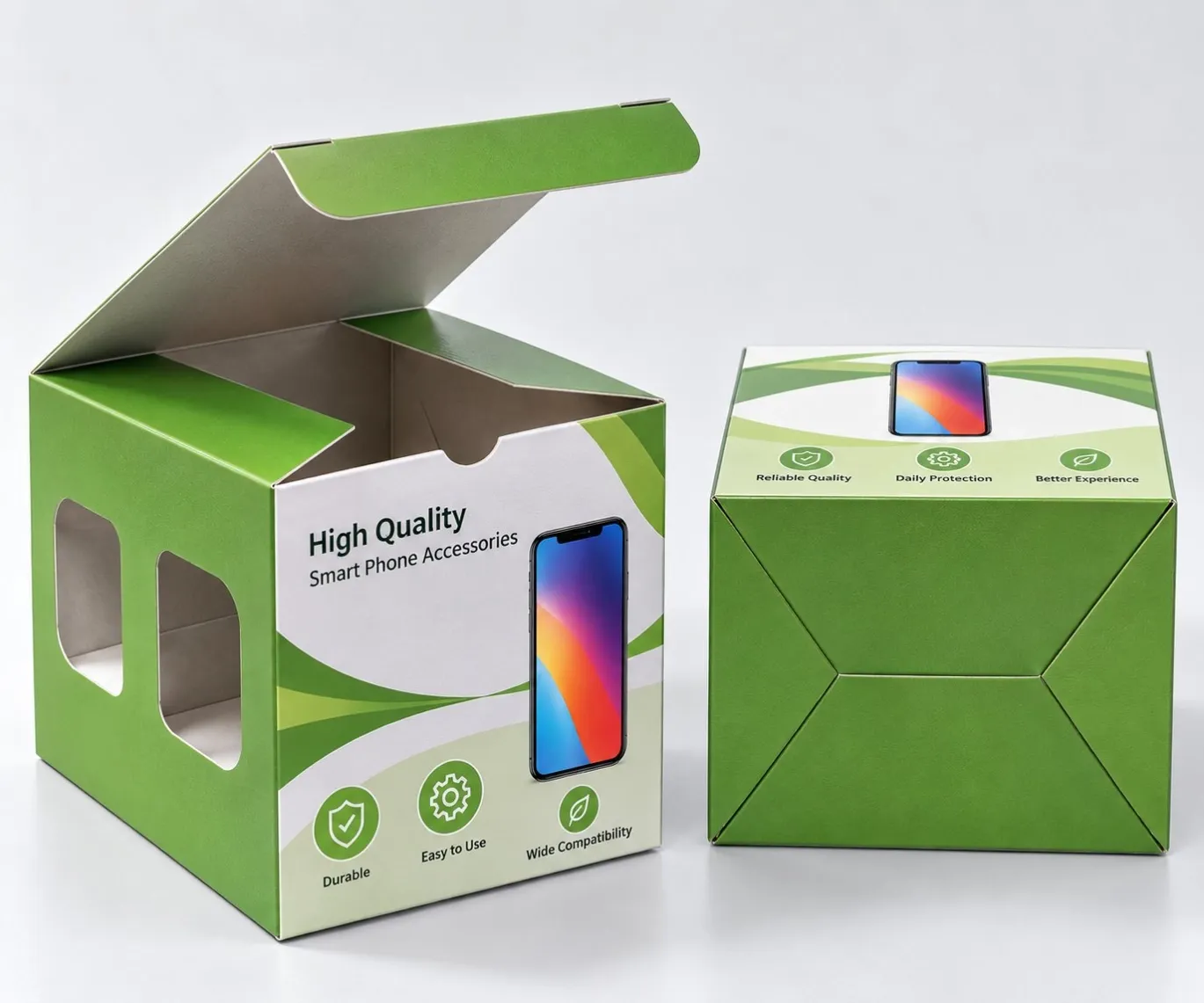
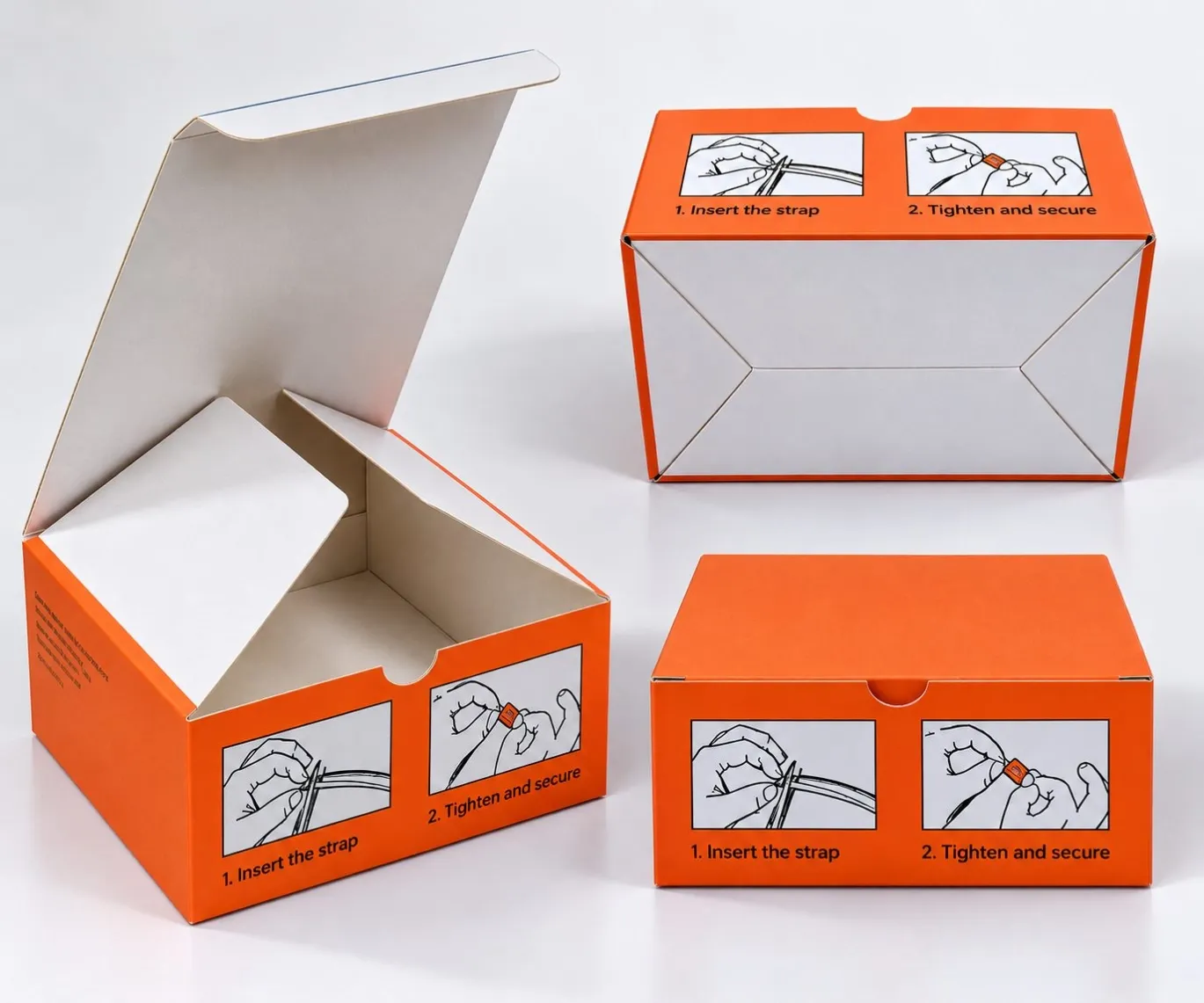
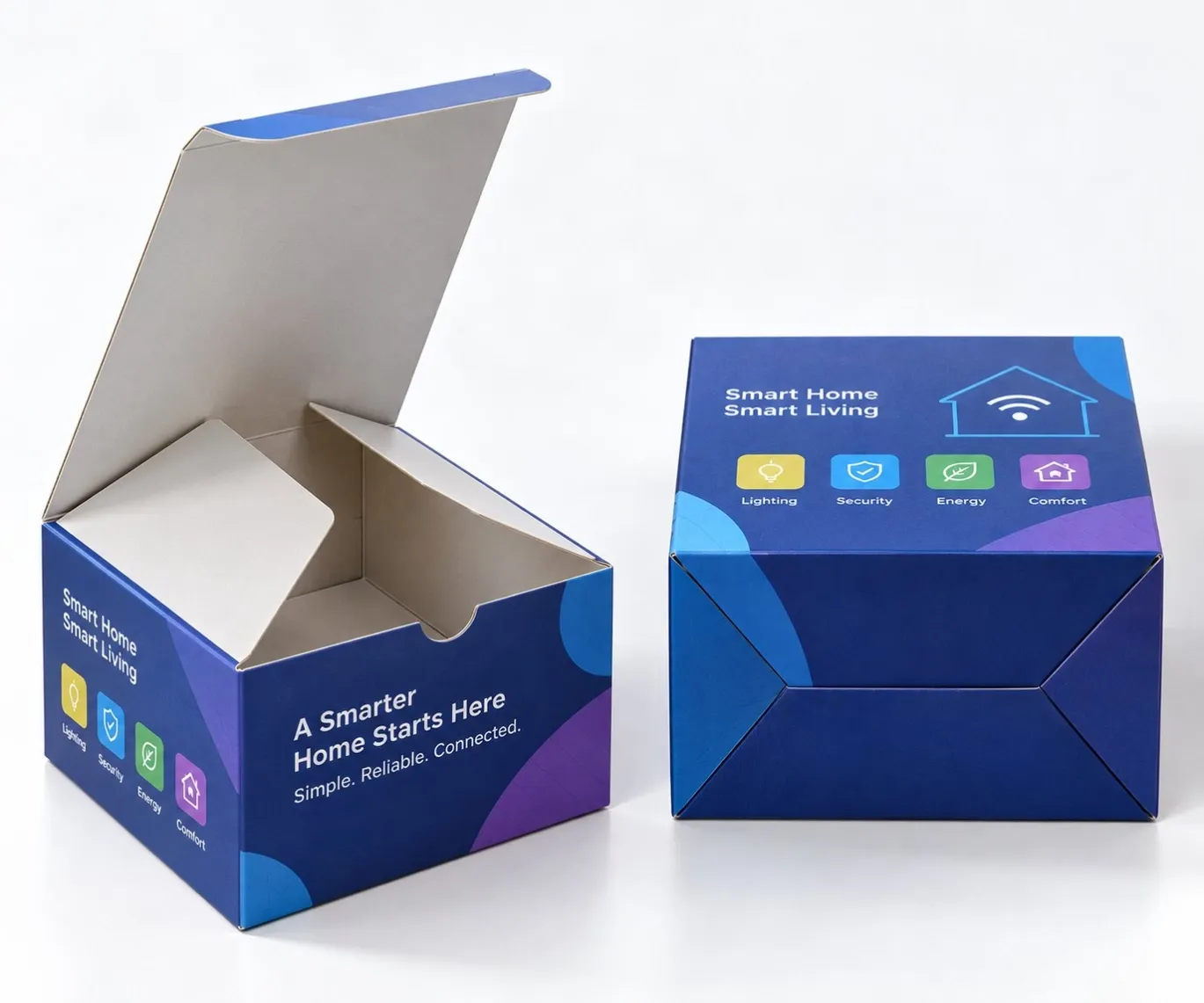
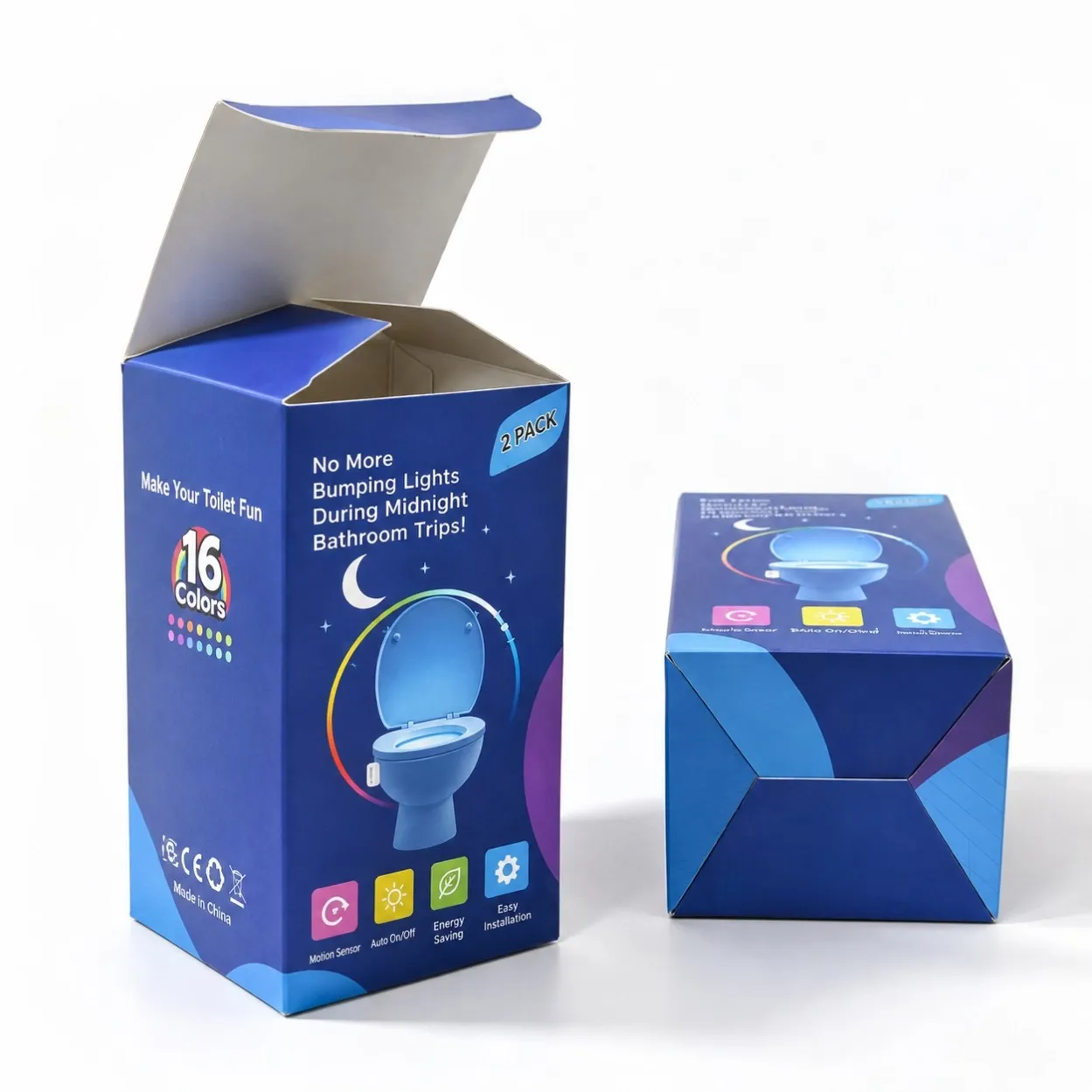
Custom auto lock bottom boxes, also known as crash lock or auto bottom boxes, with a pre-glued base for faster assembly and reliable product support.
Auto Lock Bottom Boxes
Auto lock bottom boxes are folding cartons with a pre-glued bottom designed for quick assembly and additional bottom support.
Also known as auto bottom boxes or crash lock bottom boxes, they are often used for cosmetics, candles, bottles, jars, electronics and other retail products where packing efficiency and bottom support are important.
At Jeeli Packaging, the box dimensions, paperboard, printing, finishing and structure can be customized according to your product and packing requirements.
What Is an Auto Lock Bottom Box?
An auto lock bottom box has bottom panels that are folded and glued during production.
The cartons can still be supplied flat for shipping and storage. When the carton is opened into shape, the pre-glued bottom panels move into position and form the base.
This reduces the need to manually fold and lock each bottom flap during packing.
The terms auto lock bottom, auto bottom and crash lock bottom are commonly used for this type of structure. However, packaging terminology can vary between suppliers and markets.
When requesting a quotation, it is better to confirm the actual bottom structure rather than relying only on the box-style name.
How Does an Auto Lock Bottom Work?
The bottom structure is prepared during box production.
The basic process is:
- The bottom panels are die-cut, folded and glued.
- The finished cartons are supplied flat.
- The packer opens the carton into shape.
- The pre-glued bottom moves into position.
- The product can then be packed and the top closed.
Compared with a bottom that needs to be assembled flap by flap, this can reduce manual packing steps.
For projects involving repeated carton assembly, the difference in packing efficiency can become important.
Auto Lock Bottom vs Snap Lock Bottom
These two structures can look similar after assembly, but the bottom construction is different.
Feature | Auto Lock Bottom | Snap Lock Bottom |
|---|---|---|
Bottom construction | Pre-glued | Interlocking flaps |
Assembly | Bottom forms as carton opens | Bottom flaps are manually folded and locked |
Packing speed | Usually faster | More manual assembly |
Structure | More complex | Relatively simple |
Typical consideration | Packing efficiency and bottom support | Cost and manual assembly requirements |
Neither structure is automatically better.
The correct choice depends on the product weight, box dimensions, paperboard, packing quantity, assembly method and budget.
If the box terminology is unclear, ask for a dieline or assembled sample before confirming the structure.
Auto Lock Bottom vs Tuck End Box
A standard tuck structure is relatively simple and can be suitable for many lightweight retail products.
An auto lock bottom adds a pre-glued base that can reduce manual bottom assembly and provide additional support.
Consideration | Tuck End Box | Auto Lock Bottom Box |
|---|---|---|
Bottom | Tuck closure | Pre-glued automatic bottom |
Assembly | Manual folding/tucking | Forms when carton is opened |
Packing | Suitable for standard packing | Useful for repeated packing |
Bottom support | Depends on structure | Can provide additional support |
Production | Simpler | More complex |
Cost | Usually lower | Usually higher |
For lightweight products or smaller packing quantities, a tuck end box may already provide the required performance at a lower cost.
The choice should be based on the product, packing process and required structure rather than assuming the more complex box is always better.
Key Features
Pre-Glued Bottom
The bottom is prepared and glued during production, reducing manual bottom assembly during packing.
Flat-Packed Delivery
The cartons can still be supplied flat before use, helping control shipping and storage volume.
Faster Assembly
The box can be opened into shape without manually building the bottom flap by flap.
Additional Bottom Support
The pre-glued bottom structure can provide additional bottom support compared with a simple tuck closure, depending on the paperboard, carton dimensions and packed product.
Custom Printing
Brand artwork, product information and other graphics can be printed on the carton according to the packaging design.
Paperboard, Printing & Finishing
Paperboard should be selected according to the product, carton dimensions, printing requirements and structural needs.
Common options may include:
- coated paperboard
- uncoated paperboard
- kraft paperboard
- specialty paper
- other paper-based materials according to the project
GSM alone should not be used to judge carton performance.
Two paperboards with a similar GSM can have different thickness, stiffness and folding behavior.
Printing and finishing options may include:
- CMYK printing
- Pantone color printing
- matte or gloss surface finishing
- foil stamping
- embossing and debossing
- spot UV
- window openings
- custom die-cut details
Material, printing, finishing and structure should be reviewed together before production.
Applications
Auto lock bottom boxes can be considered for:
- cosmetics and skincare
- candles
- bottles and jars
- personal care products
- small electronics
- retail accessories
- gift products
- other products requiring additional bottom support
For heavier or fragile products, an insert, additional internal support or stronger outer packaging may also be required.
Customization Options
Auto lock bottom boxes can be customized according to:
- product and box dimensions
- paperboard
- printing
- surface finishing
- top closure
- bottom structure
- inserts
- windows
- artwork
- packing method
A carton that looks correct while empty may behave differently after the product or insert is placed inside.
When Should You Choose an Auto Lock Bottom Box?
An auto lock bottom may be worth considering when:
- the product places more load on the bottom
- many cartons need to be assembled repeatedly
- reducing manual bottom-folding steps is important
- a simple tuck closure does not provide the preferred support
- faster carton assembly can improve the packing process
For a lightweight product or a relatively small order, a simpler folding carton may be sufficient and more economical.
The goal is to match the structure to the product, packing process and budget.
What Should You Confirm Before Ordering?
For a more accurate quotation, provide:
- product dimensions and weight
- required box dimensions
- order quantity
- preferred paperboard
- artwork or logo
- printing requirements
- finishing requirements
- product photos
If you already have a dieline or existing packaging sample, provide it for structural reference.
For products such as bottles, jars or other items with concentrated weight, testing the complete packed sample before mass production is recommended.
FAQ
Are Auto Lock Bottom Boxes and Crash Lock Bottom Boxes the Same?
These terms are commonly used for pre-glued automatic-bottom folding cartons, although terminology can vary between suppliers and markets.
Confirming the actual dieline or bottom construction is more reliable than relying only on the product name.
Are Auto Lock Bottom Boxes the Same as Snap Lock Bottom Boxes?
Not necessarily.
An auto lock bottom typically uses a pre-glued base, while a snap lock bottom generally requires the bottom flaps to be manually folded and interlocked.
Do Auto Lock Bottom Boxes Arrive Assembled?
They can normally be supplied flat-folded.
The bottom has already been prepared during production, but the carton is opened into its three-dimensional shape during packing.
Are Auto Lock Bottom Boxes Better Than Tuck End Boxes?
Not for every product.
Tuck end boxes can be suitable for many lightweight products. Auto lock bottom boxes become more useful when packing efficiency or additional bottom support is important.
Can Auto Lock Bottom Boxes Be Custom Printed?
Yes. The dimensions, paperboard, artwork, printing and finishing can be customized according to the project.
Related Packaging
Different products may require different folding carton structures.
Depending on the product and packing process, you can also consider:
- Tuck End Boxes
- cartons with inserts
- other custom folding carton structures
Comparing the structure before production can help avoid paying for packaging complexity that the product does not actually need.
Request a Quote
If you are developing custom auto lock bottom boxes, send us your basic packaging requirements:
- product dimensions and weight
- box size
- quantity
- artwork or logo
- preferred material
- printing and finishing requirements
- product photos
Jeeli Packaging can review the material, structure, printing and packing requirements together before quotation and production.