
Folding Cartons
Tuck End Boxes
Custom tuck end boxes in straight and reverse tuck styles. Choose paperboard, printing, finishes and box dimensions for retail product packaging.
Tuck End Boxes
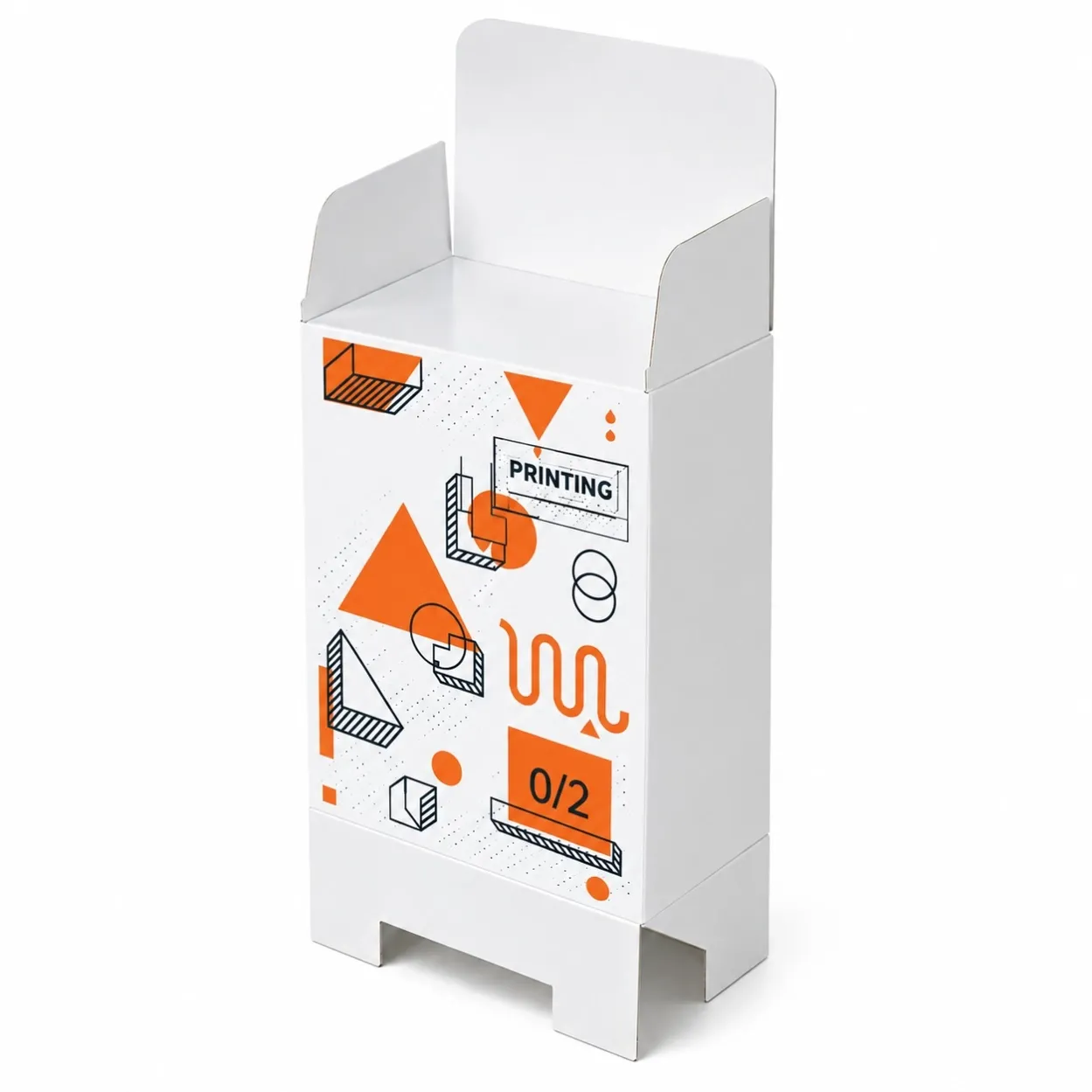
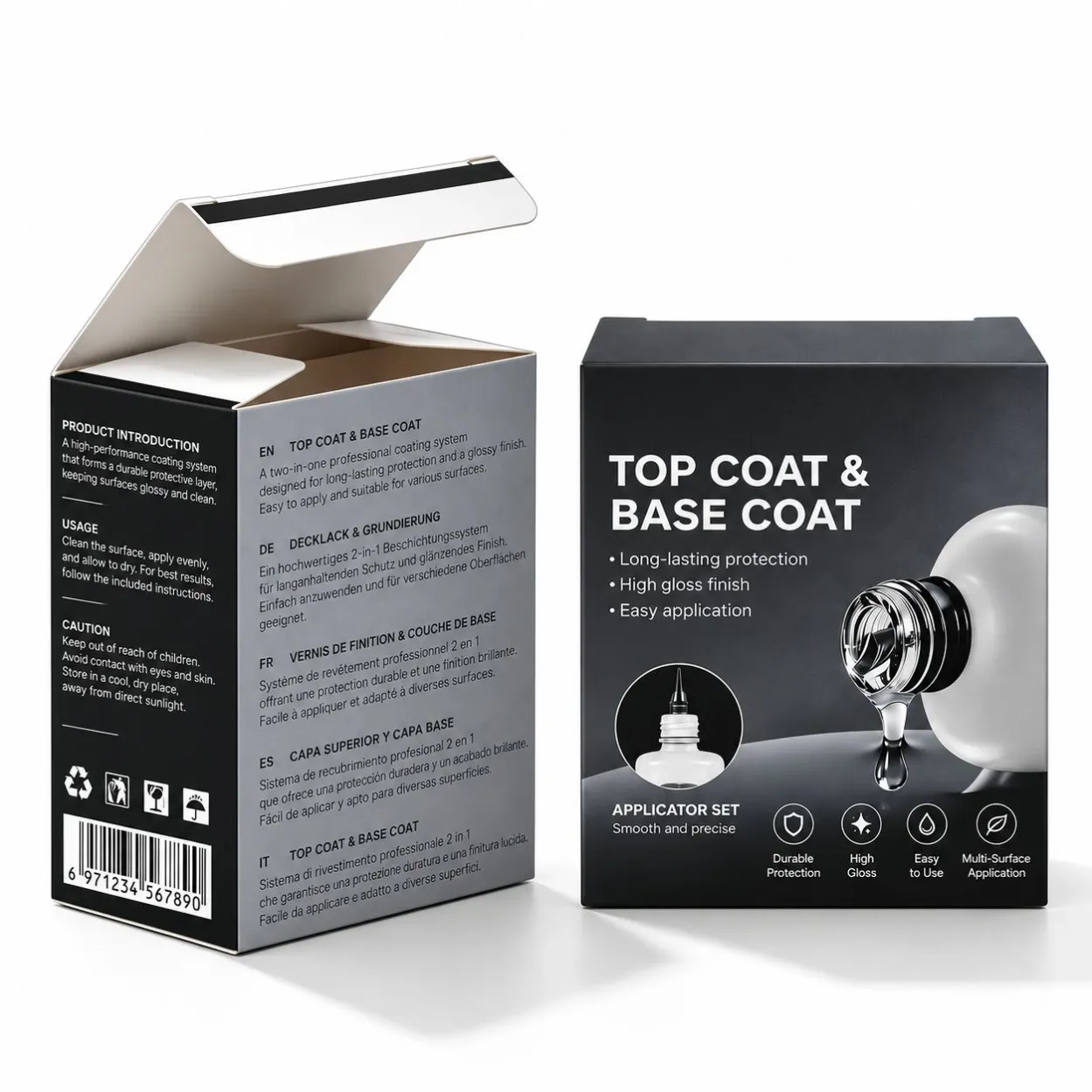
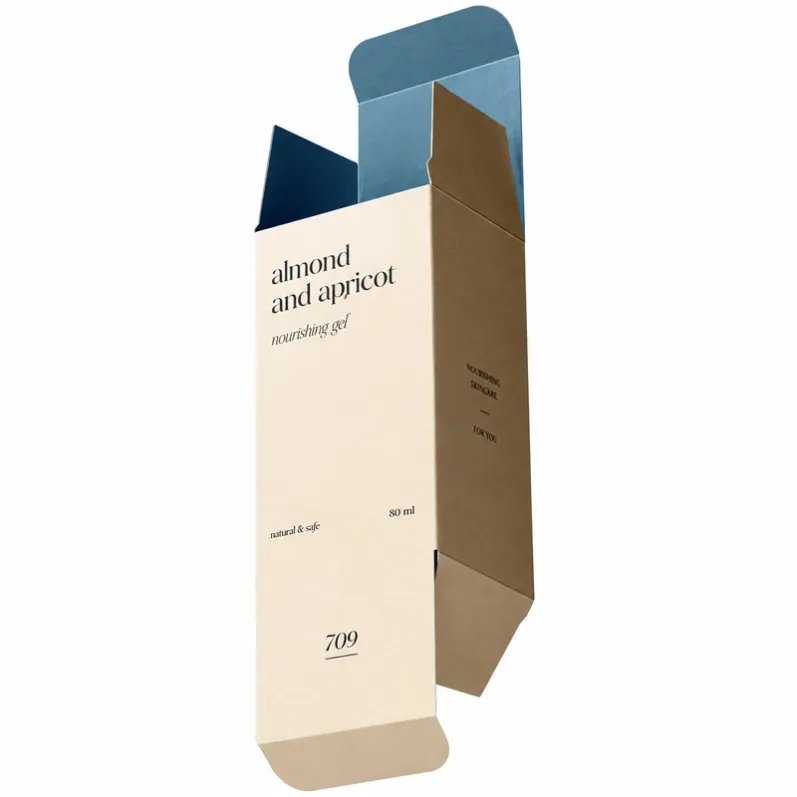
Custom tuck end boxes are one of the most widely used folding carton structures for retail product packaging. They are made from paperboard, supplied flat and assembled by folding the top and bottom tuck flaps into position.
Jeeli Packaging produces custom tuck end boxes in different sizes, paperboard materials, printing and finishing options for cosmetics, skincare, electronics, food, accessories and other retail products.
Two of the most common structures are Straight Tuck End (STE) and Reverse Tuck End (RTE) boxes. The right structure depends on the product, box dimensions, presentation requirements and packing process.
What Is a Tuck End Box?
A tuck end box is a paperboard folding carton with flaps that tuck into the carton to close the top and bottom.
Unlike rigid boxes, tuck end cartons are normally shipped flat before assembly. This helps reduce storage and shipping volume while providing a practical structure for many retail products.
Typical tuck end cartons can be customized with:
- different paperboard grades and thicknesses
- custom dimensions
- full-color printing
- Pantone color printing
- matte or gloss finishes
- hot foil stamping
- embossing and debossing
- spot UV
- die-cut windows
- custom inserts
The structure itself can also be adjusted according to the product and packing requirements.
Straight Tuck End vs Reverse Tuck End Boxes
Straight tuck end and reverse tuck end boxes look similar after assembly, but the direction of their closing flaps is different.
Straight Tuck End Boxes
With a Straight Tuck End (STE) structure, the top and bottom tuck flaps close in the same direction.
This structure is often selected when a clean front presentation is important. Depending on the product and dieline, it can provide a neat appearance for cosmetics, skincare, personal care products and other retail packaging.
Reverse Tuck End Boxes
With a Reverse Tuck End (RTE) structure, the top and bottom tuck flaps close in opposite directions.
Reverse tuck structures are widely used for many lightweight retail products and can provide an efficient folding carton layout depending on the dimensions and production requirements.
Neither structure is automatically better.
The choice between straight tuck end and reverse tuck end should consider the product dimensions, paperboard, filling method, presentation and how the carton will be assembled.
For products that need faster repeated packing or greater bottom support, Auto Lock Bottom Boxes may be a more suitable alternative.
Key Features
- Straight Tuck End (STE) and Reverse Tuck End (RTE) structures
- Custom sizes based on your product
- Supplied flat for efficient storage and transportation
- Suitable for manual or production-line packing
- Multiple paperboard options
- Custom printing inside and outside
- Wide range of surface finishing options
- Optional windows and inserts
- Suitable for lightweight and medium-weight retail products
Materials
The material should be selected according to the product weight, box size, printing requirements and required stiffness.
Common options include:
SBS / White Paperboard
Provides a smooth printing surface and is commonly used for cosmetics, skincare, personal care products and other printed retail cartons.
Coated Paperboard
Suitable for high-quality printed graphics and a variety of finishing processes.
Kraft Paperboard
A good option when a natural kraft appearance is part of the packaging design.
Specialty Paper
Specialty papers can be considered for projects where texture, color or a more distinctive surface appearance is required.
Paperboard thickness should not be selected independently from the carton structure. A thicker board can affect creasing, folding and how the tuck flaps fit after assembly.
Printing & Finishing Options
Tuck end boxes can support a wide range of printing and finishing processes.
Available options can include:
- CMYK printing
- Pantone color printing
- matte finishing
- gloss finishing
- aqueous coating
- hot foil stamping
- embossing
- debossing
- spot UV
- die-cut windows
- inside printing
The appropriate process depends on the artwork, material and intended packaging appearance.
For projects using heavier paperboard or special finishes, the crease lines and folding areas should also be considered during production planning.
Custom Tuck End Box Applications
Tuck end folding cartons can be used for many types of retail products, including:
- cosmetics
- skincare products
- personal care products
- small electronics
- accessories
- candles
- food products
- supplements
- household products
- gift and promotional products
The final structure should always be evaluated together with the actual product dimensions and weight.
For heavier, fragile or shipping-intensive products, a stronger structure such as corrugated packaging may be more appropriate.
Customization Options
Every tuck end box can be developed around the requirements of the product.
You can customize:
Item | Options |
|---|---|
Box Structure | Straight Tuck End / Reverse Tuck End |
Size | Custom dimensions |
Material | White paperboard / coated board / kraft / specialty paper |
Printing | CMYK / Pantone / inside & outside printing |
Finishing | Foil / embossing / debossing / spot UV / coatings |
Window | With or without die-cut window |
Insert | Paperboard or other suitable insert structures |
Artwork | Custom brand artwork and graphics |
If you already have a dieline, we can review it together with the selected material and product requirements.
If you do not yet have a final structure, product dimensions and photos can help determine a suitable starting point.
Why Does the Tuck Structure Matter?
A tuck end carton may look simple, but the relationship between the tuck flap, dust flaps, crease lines and paperboard thickness affects how the finished box closes.
If these elements are not properly matched, buyers may experience problems such as:
- flaps that do not sit flat
- cartons that spring open
- locking areas that feel too tight
- panels that become distorted after the product is inserted
This is why the dieline should be reviewed together with the actual material rather than treating the box dimensions and paperboard as separate decisions.
Testing the carton with the actual product before mass production can also help identify fit or assembly issues earlier.
FAQ
What is the difference between straight tuck end and reverse tuck end boxes?
Straight tuck end boxes have top and bottom tuck flaps that close in the same direction. Reverse tuck end boxes have flaps that close in opposite directions. The appropriate choice depends on the product, carton layout, presentation and packing requirements.
Can tuck end boxes be custom printed?
Yes. Tuck end boxes can be produced with custom CMYK or Pantone printing, together with finishing options such as foil stamping, embossing, debossing and spot UV depending on the material and design.
Can you make custom sizes?
Yes. The dimensions can be developed according to your product size and packaging requirements.
Can tuck end boxes include a window?
Yes. A die-cut window can be incorporated when product visibility is required. The window size and position should be considered together with the structural strength of the carton.
Can an insert be added inside the box?
Yes. An insert can be considered when the product needs positioning, separation or additional internal support. The insert and carton should be tested together with the actual product whenever possible.
Are tuck end boxes suitable for shipping?
Tuck end cartons are commonly used as primary or retail packaging. Whether they can be shipped directly depends on the product, material, structure and transportation conditions. Many products packed in folding cartons are placed inside an outer shipping carton for transportation.
What information do you need for a quotation?
Please provide the box dimensions or product dimensions, quantity, artwork or logo, preferred material, printing requirements and any special finishing or insert requirements. Product photos are also helpful when the structure has not yet been finalized.
Related Packaging
Depending on your product and packaging requirements, you may also consider:
- Custom Folding Cartons
- Printed Folding Cartons
- Window Folding Cartons
- Cosmetic Folding Cartons
- Corrugated Mailer Boxes
Request a Quote
Need custom tuck end boxes for your product?
Send us:
- product or box dimensions
- quantity
- product photos
- artwork or logo
- preferred material
- printing requirements
- finishing requirements
Jeeli Packaging can review the product, material and carton structure together before quotation and production.