
Packaging Knowledge
8 Folding Carton Styles Compared (With Best Uses)
Compare 8 folding carton styles - tuck end, auto-lock, snap-lock, sleeve, pillow, gable and window cartons - by structure, cost and best use cases.x
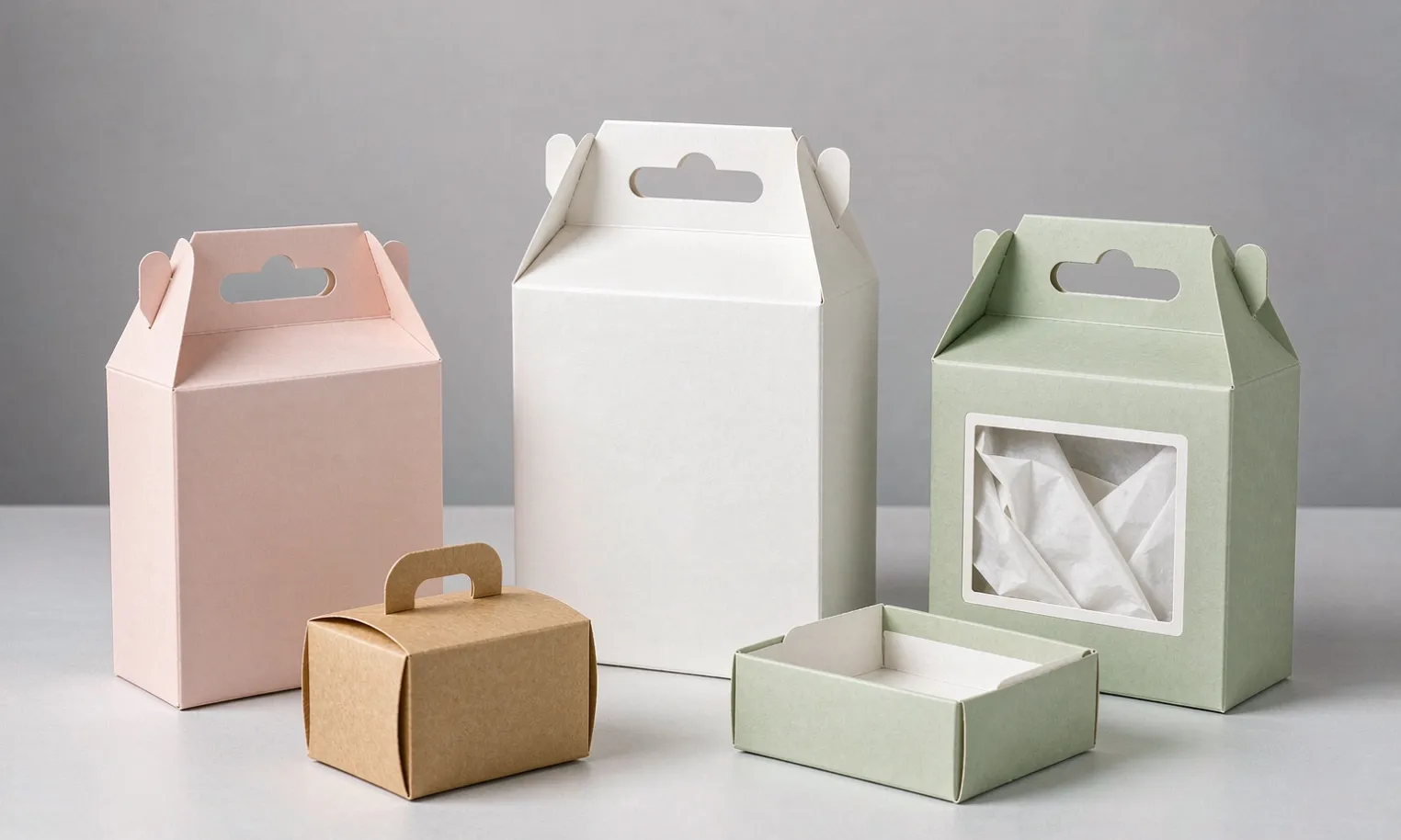
A folding carton is a paperboard box - usually 200 to 400gsm - that is printed, die-cut and glued flat, then erected at the point of packing. Within that definition there are maybe a dozen style names that cover most retail packaging. Buyers often meet them for the first time while collecting quotes - straight tuck, reverse tuck, auto-lock bottom, sleeve and tray. The names sound technical, but each style is really just a different answer to three questions: how the box closes, how it is assembled, and how the product is presented. This guide compares the carton styles we produce most often and shows where each one fits.
Straight Tuck End and Reverse Tuck End Cartons
Tuck end cartons are the default style for light and medium products. On a straight tuck end box, the front and back sealing panels tuck in the same direction, which keeps the printing layout simple and the die efficient. On a reverse tuck end box, the top and bottom flaps tuck in opposite directions, so both closures stay clean and the carton uses paperboard slightly more economically.
In practice the difference is small: both styles ship flat, assemble in seconds and suit cosmetics, supplements, small electronics and general retail goods. We normally recommend reverse tuck when the artwork runs close to the flaps, and straight tuck when a specific panel must stay completely clean.
One caution for dark printed cartons: tuck flaps rub against the top panels every time the box is opened, which is where scuffing shows first. If your design uses a deep solid colour, mention it early - a matte lamination or a slightly softer tuck tolerance reduces the effect. The same issue is explained in our notes on scuff marks on dark printed cartons.
Auto-Lock and Snap-Lock Bottom Cartons
When the product is heavier, the bottom becomes the weak point of a tuck carton. An auto-lock bottom carton arrives pre-glued and springs into shape when squeezed - fast to fill on a packing line, and strong enough for jars, candles and small boxed appliances. A snap-lock bottom (also called a 1-2-3 bottom) is not glued, so it costs less and ships flatter, but each box needs a few seconds of hand assembly.
A simple rule of thumb: auto-lock for speed and weight, snap-lock for low volumes and budget programs. Our folding carton structure guide walks through this decision with product weight and packing quantity in mind.
Sleeve and Tray Cartons
A sleeve slides over a matching tray and creates the premium, slow-opening reveal that beauty and gift brands like. The trade-off is material: a sleeve and tray set uses more board than a one-piece carton and adds an assembly step, so it earns its place when presentation drives the purchase - skincare sets, candles, chocolate and small gift kits.
Pillow Boxes
Pillow boxes are formed from a single curved blank, with no glue and almost no assembly. They suit small, flat products: jewellery, accessories, tea sachets and thank-you gifts. Because the style is self-locking, they are also a common choice for retail counter displays. See our custom pillow boxes for sizes and paperboard options.
Gable Boxes
A gable box combines a carrying handle with a self-standing body, which makes it the usual choice for gift-giving, events and retail promotions. It assembles from one piece, but the shaped panels waste more paperboard than a rectangular carton, so unit costs run higher - acceptable when the box itself is part of the experience.
Window Cartons
Any of the styles above can carry a window. A die-cut aperture - usually covered with clear rPET or PLA film - lets shoppers see the actual product while the carton still protects it. Windows are common on food-adjacent gift packaging, toys and cosmetic kits. Dimensions, film choices and common mistakes are covered in our window folding carton guide.
How These Carton Styles Differ in Cost
Three factors move the price more than the style name itself: paperboard utilisation on the die sheet, assembly time, and print coverage. A reverse tuck carton and a sleeve-and-tray set can use the same 350gsm board yet differ noticeably in unit cost once the second piece and the extra glue line are counted. For a fuller comparison of paper grades and when corrugated replaces paperboard, see folding cartons vs corrugated boxes.
Assembly labour is the part buyers most often miss. A snap-lock bottom or a gable box costs seconds per box by hand - invisible at 500 units, significant at 50,000. This is also why quotes for the same style vary between suppliers: some prices assume hand erection in low volumes, others assume a packing line. Our notes on why folding carton quotes vary break the assumptions down.
Matching the Style to Your Product
If you are unsure which style fits, send us the product dimensions, weight and packing quantity - we will suggest two or three structures with honest trade-offs. Our custom folding boxes page lists the styles we run most often, and every structure above can be sampled before bulk production.